-
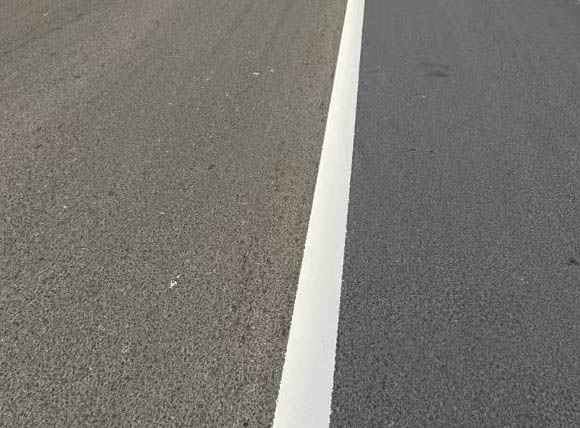
Why Does White Thermoplastic Road Marking Paint Turn Yellow?
White thermoplastic road marking paint yellowing is primarily driven by thermal oxidative degradation during application, ultraviolet-induced resin breakdown in service, insufficient titanium dioxide opacity, asphalt bleeding, and cross-color contamination in the road marking machine and melting kettle. Understanding these mechanisms is essential for specifying the right thermoplastic road marking paint and maintaining proper road marking…
-
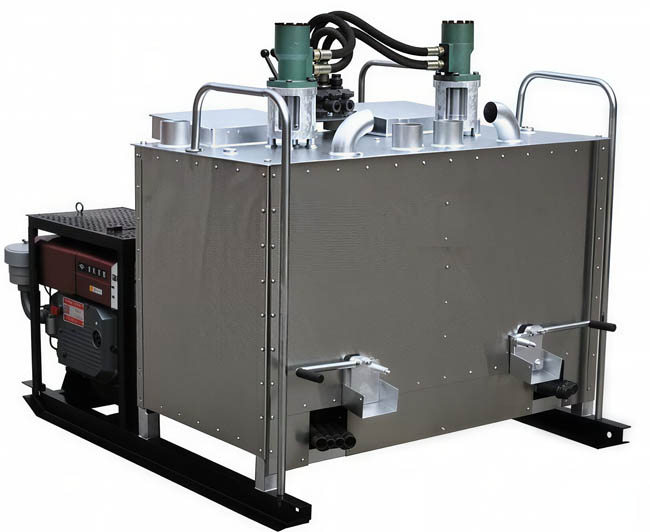
Why the Thermoplastic Melting Kettle Matters in Modern Road Marking Operations
A thermoplastic melting kettle reduces downtime and improves overall road marking efficiency.
-
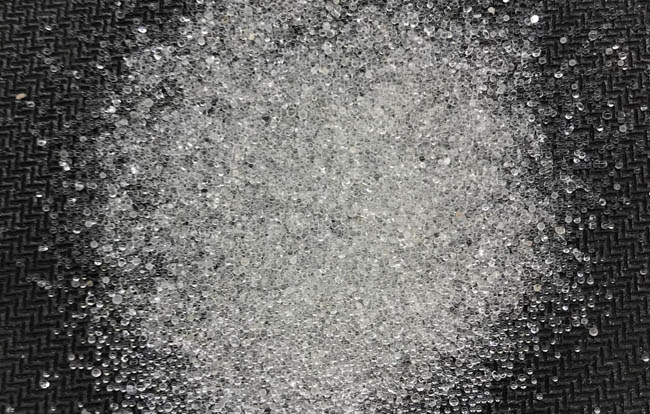
Why Glass Bead Size Matters for Road Marking Retroreflectivity
Selecting the correct glass bead size and embedment depth is essential for achieving consistent road marking retroreflectivity. Learn how bead diameter, refractive index, and drop-on application affect nighttime visibility.
-
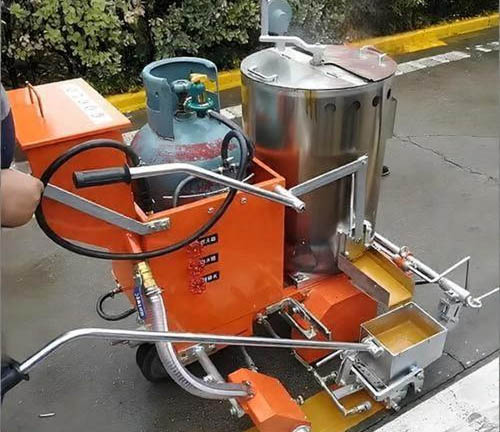
Key Components That Determine the Performance of a Thermoplastic Road Marking Machine
This article introduces three key components of a thermoplastic road marking machine: the engine, air compressor, and paint bucket, and explains how they affect overall performance.
-
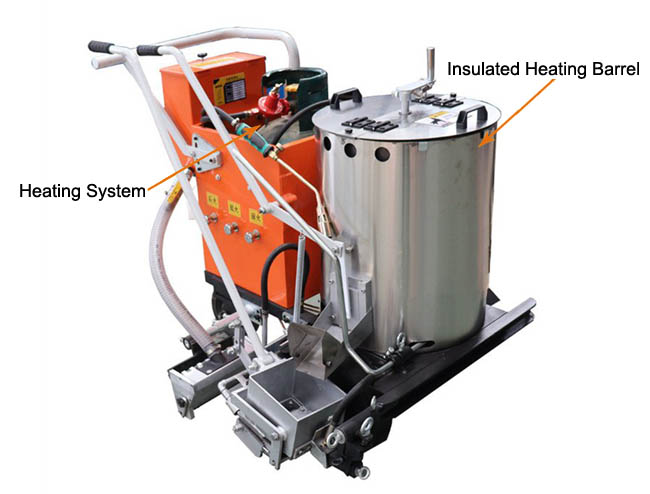
How Long Can the Insulated Heating Barrel of a Road Marking Machine Maintain Temperature?
The insulated heating barrel on a road marking machine features a double-walled stainless steel construction. Its primary function is to maintain thermoplastic road marking paint within a melting temperature range of 180°C to 220°C during construction, thereby ensuring good paint flow and consistent marking quality.
-

Reflective Performance Requirements for Thermoplastic Road Marking
Retro-reflective performance requirements for thermoplastic road marking paints, key influencing factors, maintenance strategies, and professional testing methods.
-
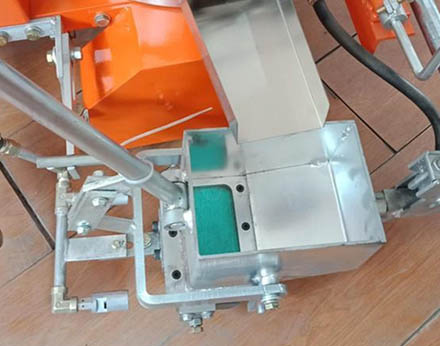
Comprehensive Guide to Road Marking Machine Accessories and Their Functions
Gain an in-depth understanding of the key components of road marking machines and how each part enhances the performance, precision, and efficiency of thermoplastic and cold-applied marking operations.
-
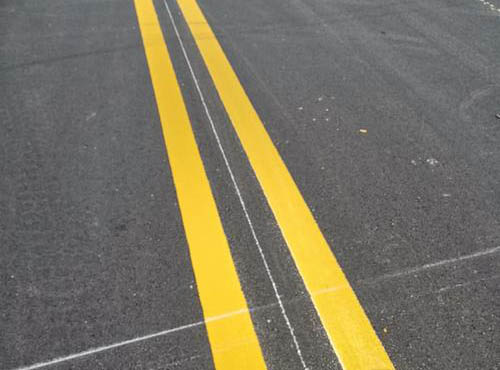
How to Operate a Road Marking Machine for Uniform, Durable Striping
Achieving uniform and long-lasting road marking results depends on proper surface preparation, material conditioning, and precise machine control. Learn how to achieve optimal results through thickness adjustment, spray angle calibration, glass bead application, and environmental considerations when using a road marking machine.
-
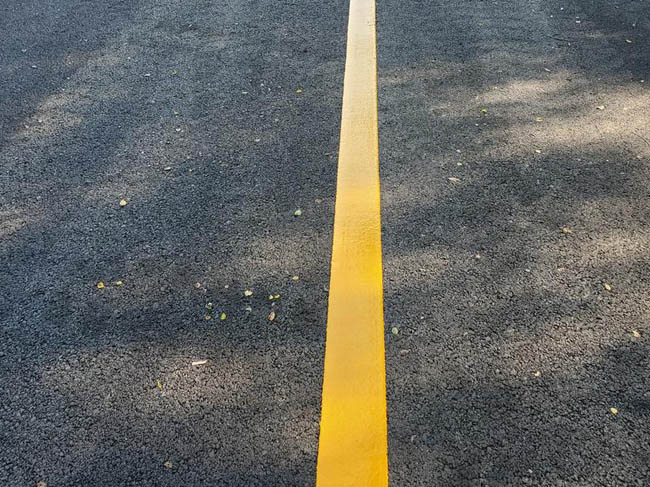
Road Marking Construction in Summer vs. Winter: Critical Differences You Must Know
Even when using the same road marking paint and the same crew, the results of road marking applications can vary significantly between summer and winter. Temperature, humidity, surface temperature, and curing rates all undergo significant changes. Learn expert techniques to ensure consistent application quality year-round.
-
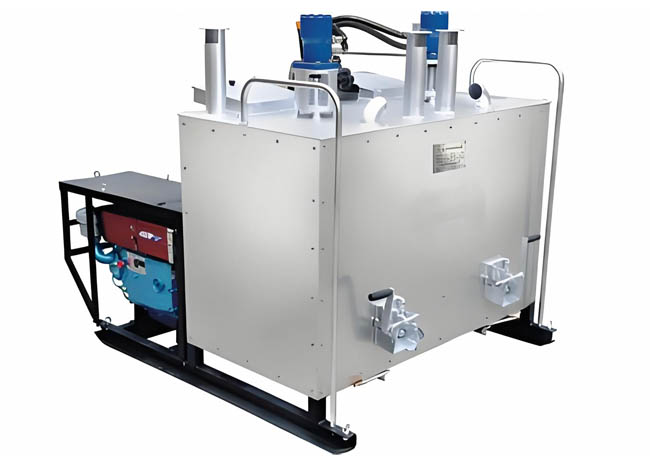
How to Choose the Right Thermoplastic Preheater (Melting Kettle) for Road Marking Machines
Choosing the right thermoplastic melting kettle (preheater) for your road marking machine directly impacts project efficiency, material utilization, and the final quality of the road marking.
-
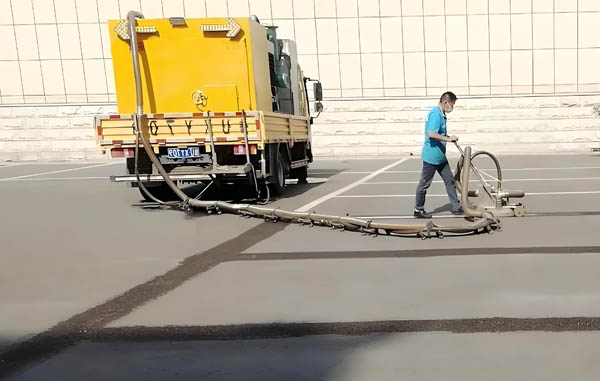
Which Road Marking Removal Method Works Best
Among the many methods, sanding, sandblasting and high-pressure waterline removal stand out, each with its own characteristics and different results, and the choice needs to take into account the type of pavement, the material of the marking, and other factors.
-
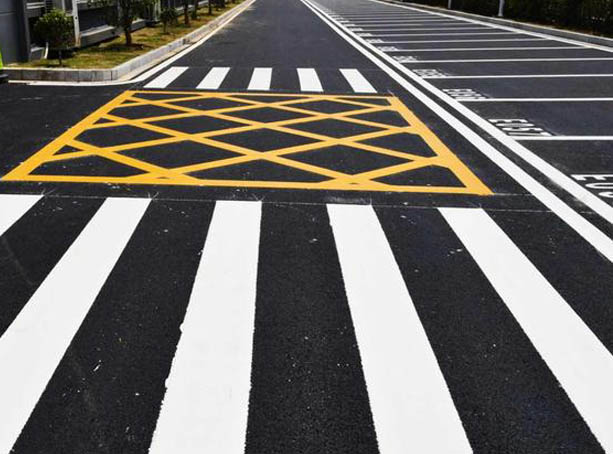
How Do Road Marking Machines Adapt to Different Marking Widths?
The international standard for road marking width is 15 centimeters, but in practice, marking widths typically range from 5 to 50 centimeters. How do road marking machines achieve this flexibility?
-
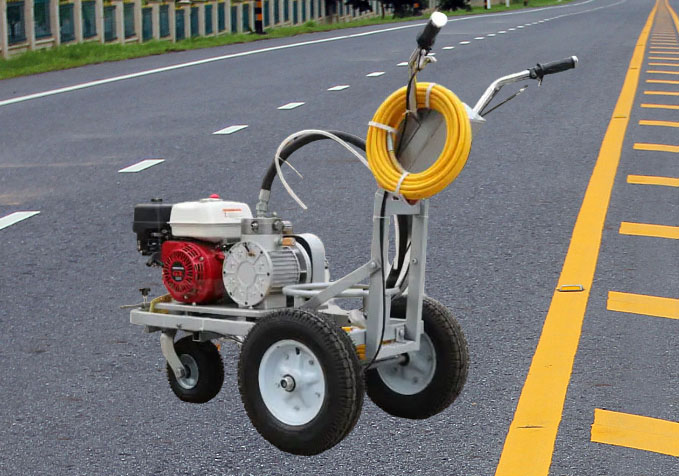
The solution of unstable pressure of road marking machine
The number one factor could be a lack of hydraulic fluid in the marking machine, which can directly lead to a drop in cold spray pressure.
-
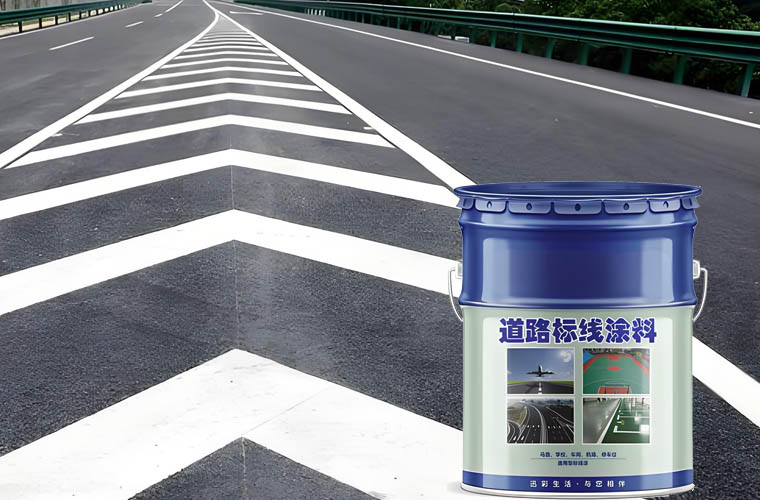
The reason why white road marking paint turns yellow after delineation
White road marking paint turns yellow after marking for a variety of reasons, mainly related to the quality of the resin, the content of titanium dioxide and heating parameters. In order to avoid such problems, we should select high-quality coatings and strictly control the heating temperature and time during the construction process.
-
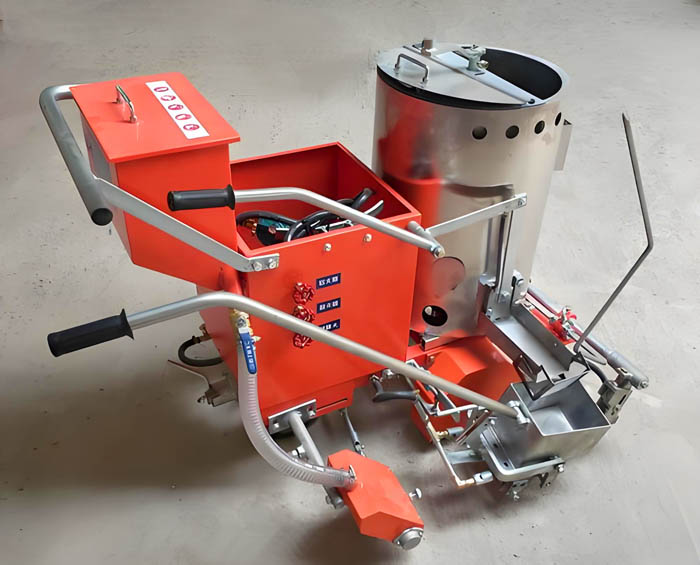
Selection of nozzle size for road marking machine
There is a direct relationship between the nozzle size of the road marking machine and the width of the line. Generally speaking, the larger the nozzle size, the wider the width of the delineation; conversely, the smaller the nozzle size, the narrower the width of the delineation.
-

Why can’t my road marking machine paint? Common causes and solutions
Learn the most common reasons why a road marking machine stops spraying paint or thermoplastic and learn step-by-step solutions to fix the problem quickly.
-
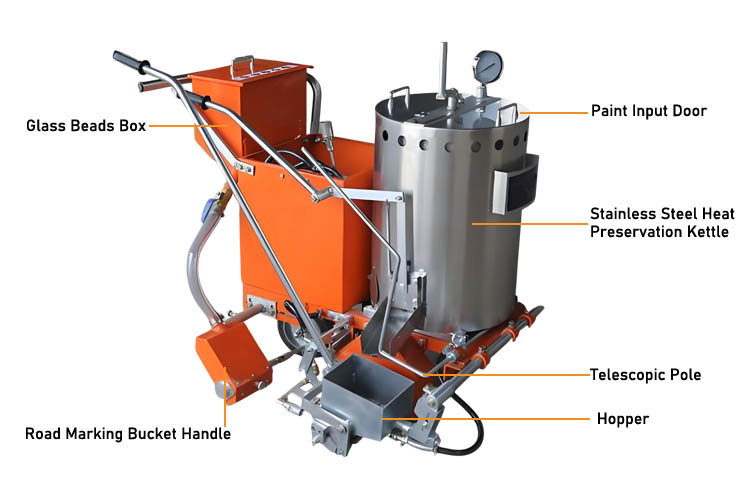
The main function of road marking machine telescopic pole
Learn how telescopic poles (pointing needle) on road marking machines ensure accurate, consistent markings by maintaining a fixed distance from the curb or edge of the road. Learn about its benefits, how it works and maintenance tips.
-
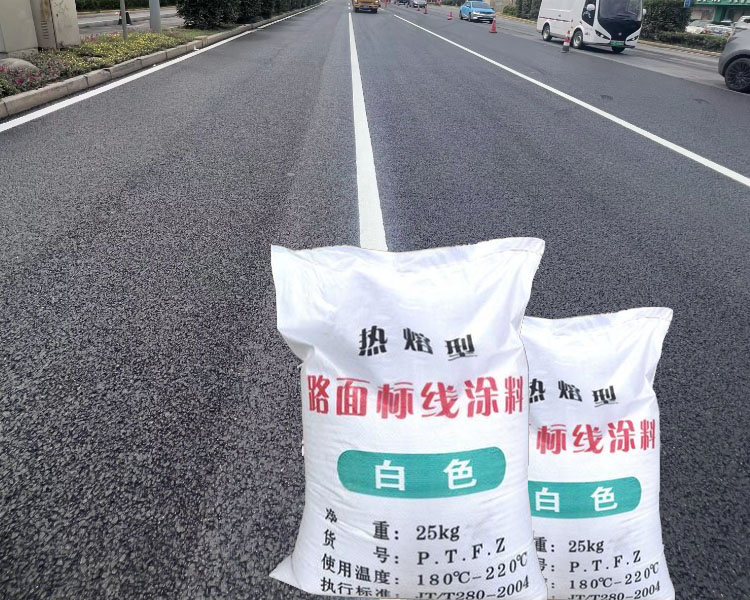
Thermoplastic Road Marking Paint
Among many road marking paints, thermoplastic road marking paint has become the first choice for urban roads and heavy traffic areas due to its unique performance and wide range of applications.
Hot Shelling High Efficiency Road Marking Machine
info@roadpaintingmachine.com

News