
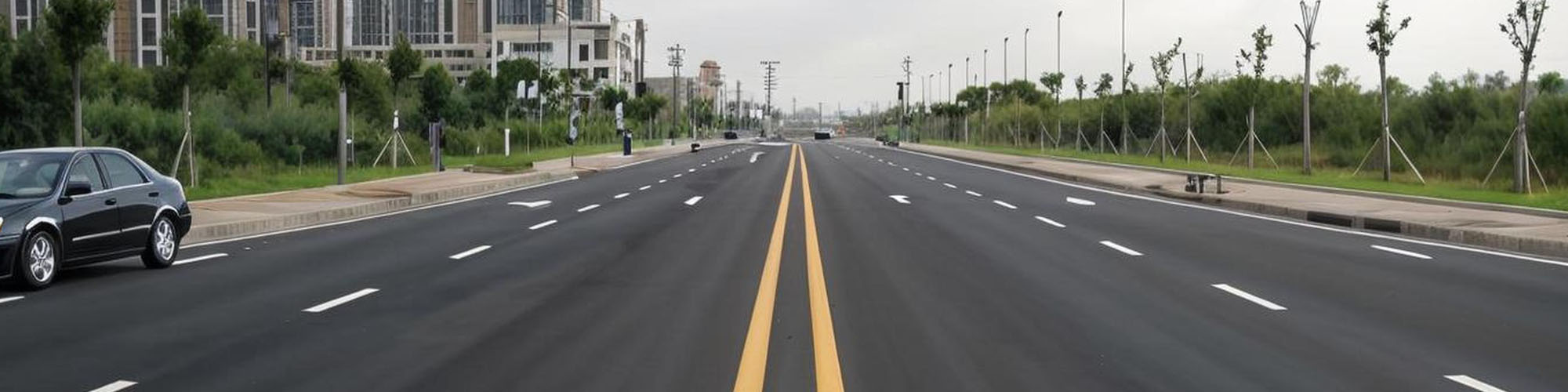
Tag: road marking paint
-
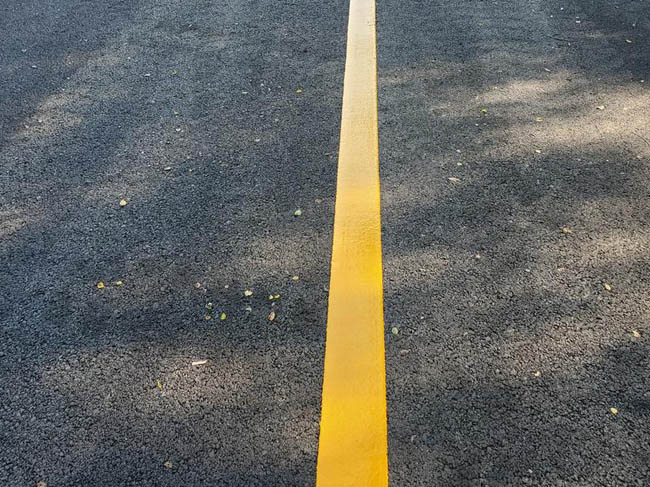
Road Marking Construction in Summer vs. Winter: Critical Differences You Must Know
Even when using the same road marking paint and the same crew, the results of road marking applications can vary significantly between summer and winter. Temperature, humidity, surface temperature, and curing rates all undergo significant changes. Learn expert techniques to ensure consistent application quality year-round.
-
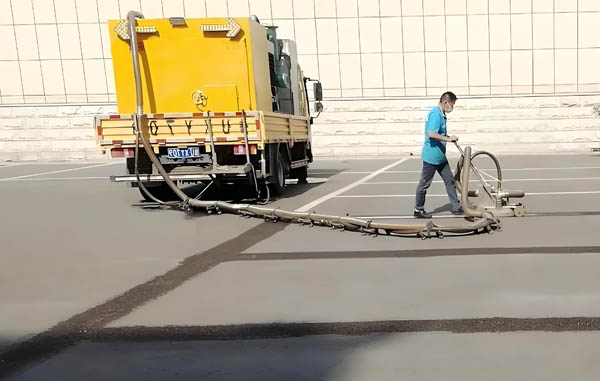
Which Road Marking Removal Method Works Best
Among the many methods, sanding, sandblasting and high-pressure waterline removal stand out, each with its own characteristics and different results, and the choice needs to take into account the type of pavement, the material of the marking, and other factors.
-
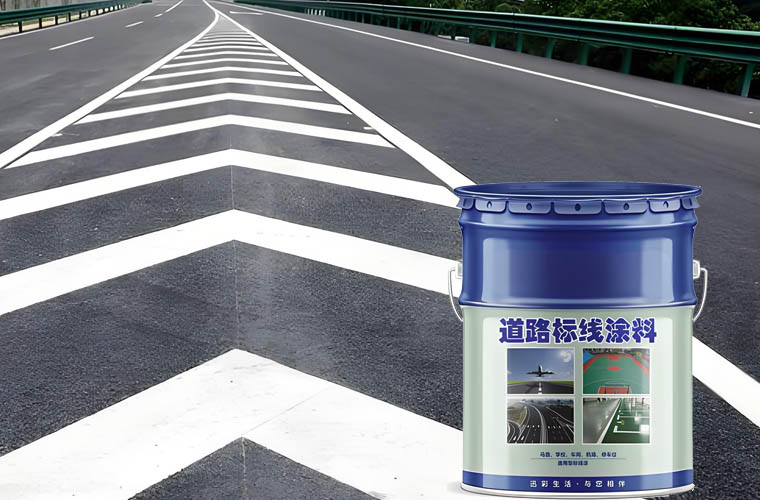
The reason why white road marking paint turns yellow after delineation
White road marking paint turns yellow after marking for a variety of reasons, mainly related to the quality of the resin, the content of titanium dioxide and heating parameters. In order to avoid such problems, we should select high-quality coatings and strictly control the heating temperature and time during the construction process.
-
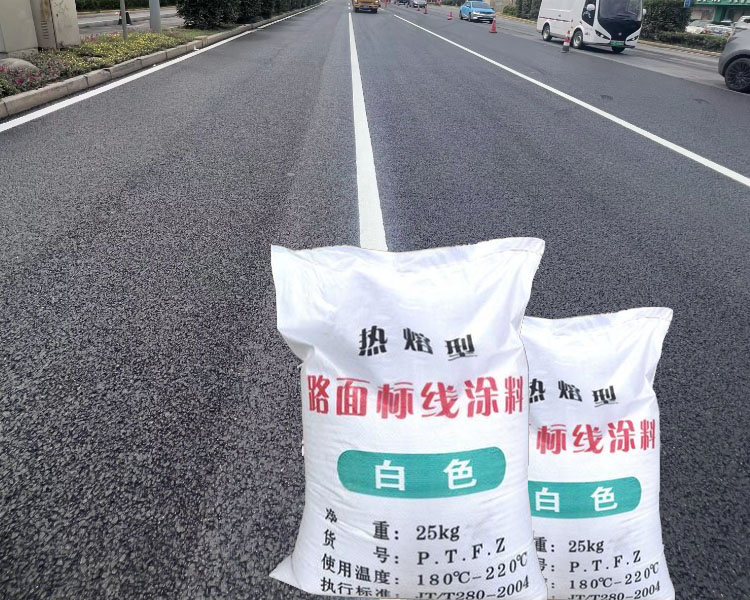
Thermoplastic Road Marking Paint
Among many road marking paints, thermoplastic road marking paint has become the first choice for urban roads and heavy traffic areas due to its unique performance and wide range of applications.
-
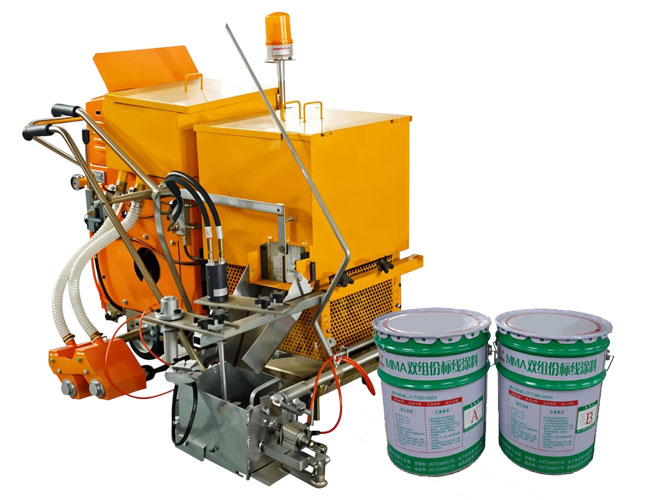
How to choose road marking paint
The selection of road marking paint should be based on the type of road, traffic flow, climatic conditions, construction conditions and cost budget and other factors. Only by choosing the right paint can we ensure the clarity, durability and safety of road marking paint and provide road users with a safe and convenient travelling environment.
-
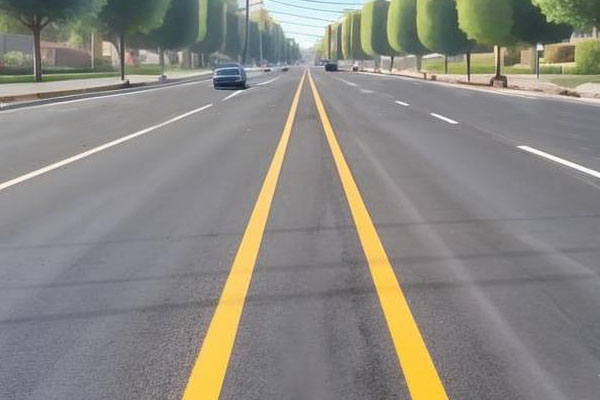
Paint commonly used in road marking machine
The types of paints used in road marking machines mainly include solvent-based paints, water-based paints, thermoplastic paints, epoxy paints, polyurethane paints, acrylic paints and so on.
-
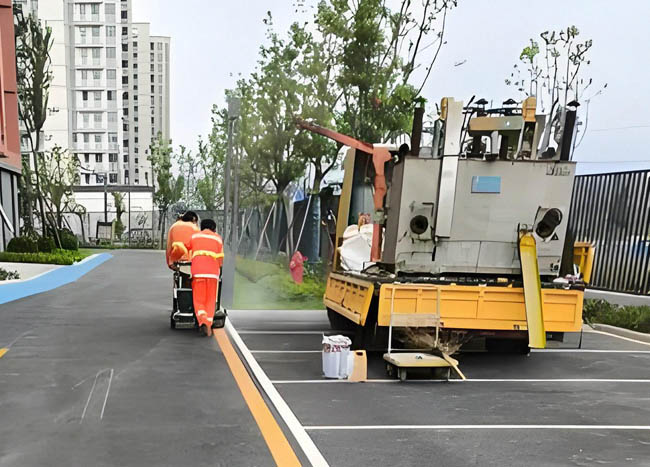
How to Make Road Marking Paints Durable?
Ensuring the durability of road marking paints requires a holistic approach—from chemical formulation (resin selection and pigment quality) to mechanical precision (calibrating your road marking machine for exact temperature, thickness, and bead embedment), and finally to rigorous surface pretreatment and scheduled maintenance.
-
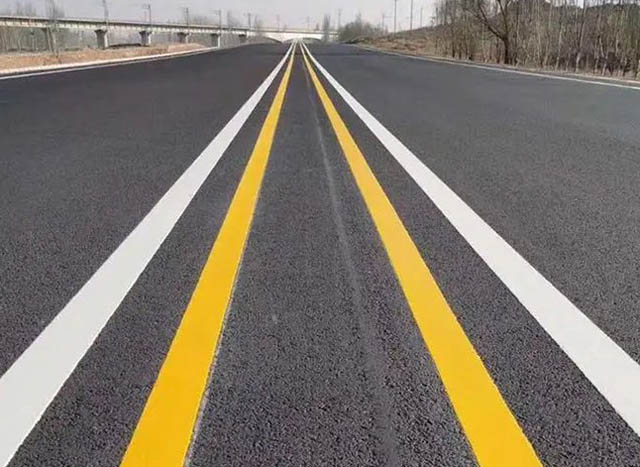
How to Choose the Right Road Marking Paint
Waterborne, Solvent-Based, and Quick-Cure Acrylic Road Marking Paints: How to Choose the Right One? To achieve optimal results, we will conduct a detailed analysis of technical specifications, climate adaptability, and real-world case data to help you select the best road marking paint for highway, urban road, or industrial facility projects.
-
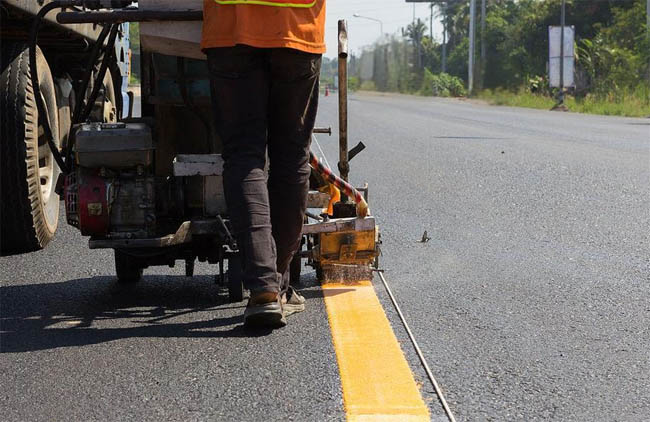
How to Choose Thermoplastic Road Marking Paint
Selecting the right thermoplastic road marking paint is a technical decision requiring careful evaluation of standards, climate, road type, reflectivity needs, and total project cost.
-
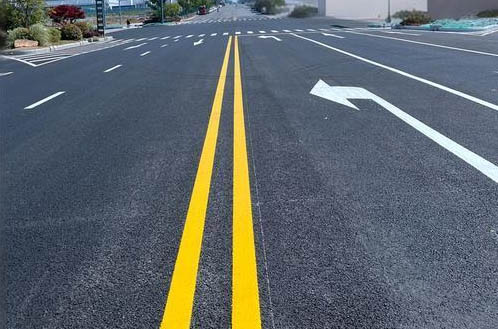
How Much Thermoplastic Road Marking Paint Per Square Meter?
The consumption of thermoplastic road marking paint is generally between 2–5 kg per square meter, depending on line thickness, marking type, road surface conditions, and paint density. Learn how to accurately calculate the required amount of thermoplastic road marking paint for highways, parking lots, and urban roads.