
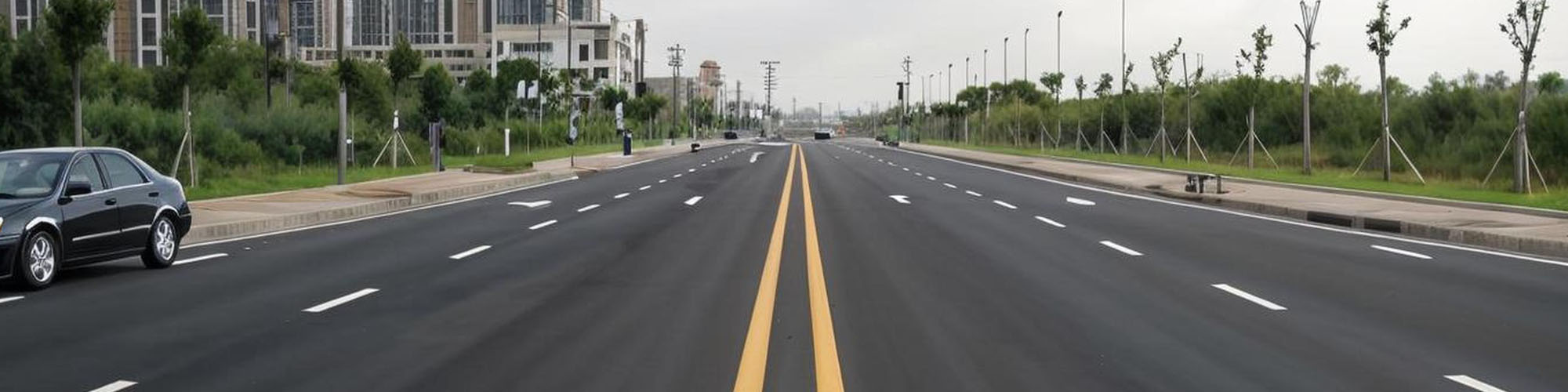
Tag: thermoplastic road marking paint
-
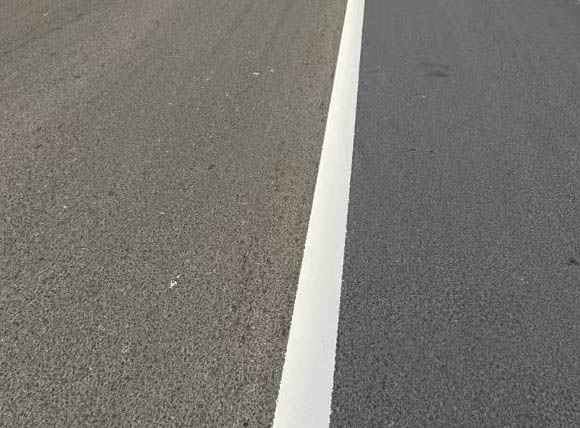
Why Does White Thermoplastic Road Marking Paint Turn Yellow?
White thermoplastic road marking paint yellowing is primarily driven by thermal oxidative degradation during application, ultraviolet-induced resin breakdown in service, insufficient titanium dioxide opacity, asphalt bleeding, and cross-color contamination in the road marking machine and melting kettle. Understanding these mechanisms is essential for specifying the right thermoplastic road marking paint and maintaining proper road marking…
-
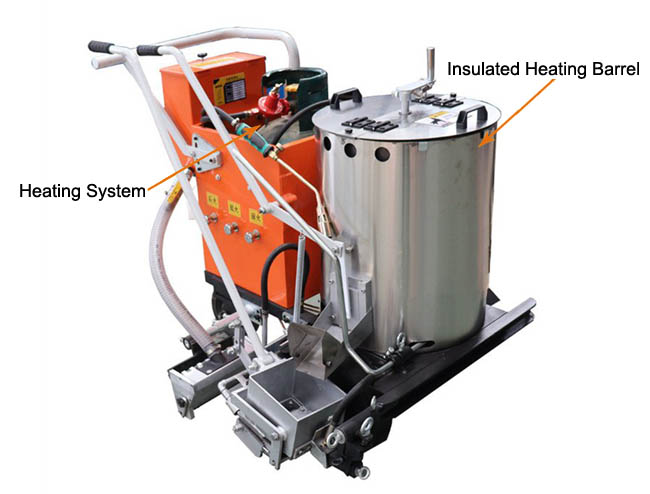
How Long Can the Insulated Heating Barrel of a Road Marking Machine Maintain Temperature?
The insulated heating barrel on a road marking machine features a double-walled stainless steel construction. Its primary function is to maintain thermoplastic road marking paint within a melting temperature range of 180°C to 220°C during construction, thereby ensuring good paint flow and consistent marking quality.
-

Reflective Performance Requirements for Thermoplastic Road Marking
Retro-reflective performance requirements for thermoplastic road marking paints, key influencing factors, maintenance strategies, and professional testing methods.
-
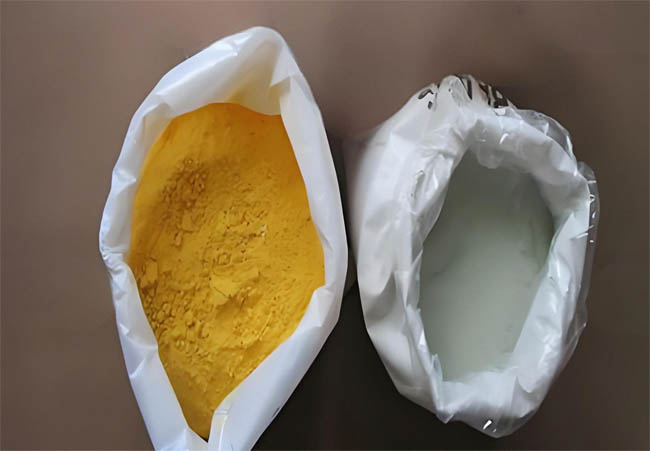
Composition and Applications of Thermoplastic Road Marking Paints
What are the main components of thermoplastic road marking paints? The key role of C5 hydrocarbon resins, and how these materials work together to form durable, high-visibility road markings.
-
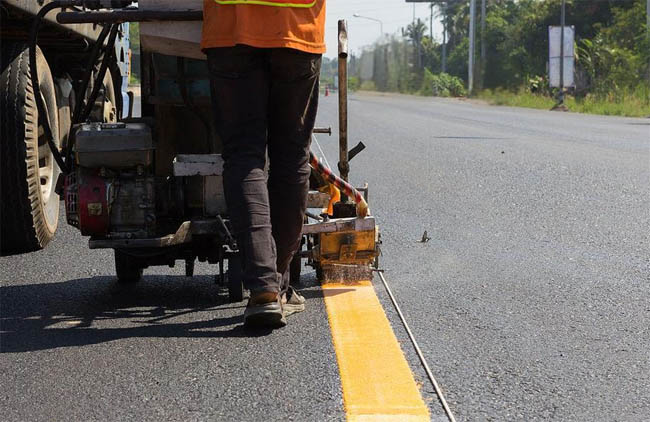
How to Choose Thermoplastic Road Marking Paint
Selecting the right thermoplastic road marking paint is a technical decision requiring careful evaluation of standards, climate, road type, reflectivity needs, and total project cost.
-
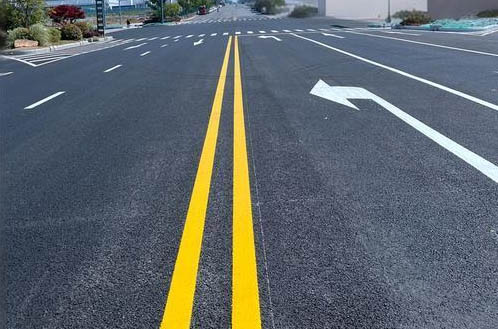
How Much Thermoplastic Road Marking Paint Per Square Meter?
The consumption of thermoplastic road marking paint is generally between 2–5 kg per square meter, depending on line thickness, marking type, road surface conditions, and paint density. Learn how to accurately calculate the required amount of thermoplastic road marking paint for highways, parking lots, and urban roads.
-
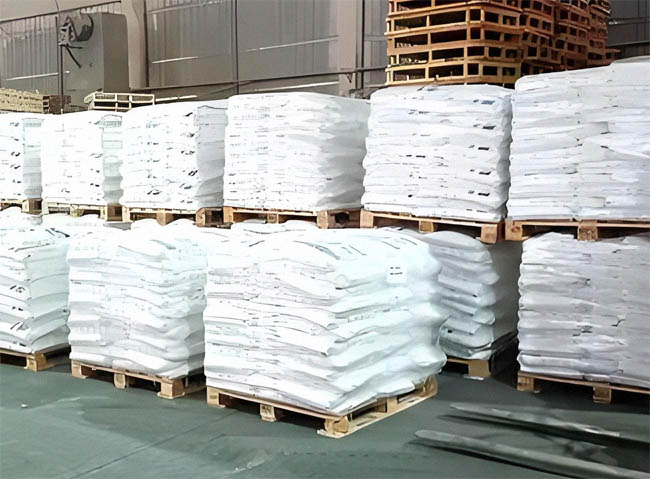
How Long Is the Storage Life of Thermoplastic Road Marking Paint?
The shelf life of thermoplastic road marking paint is typically 12 months, provided it remains unopened and is stored in a cool, dry, and well-ventilated environment.
-
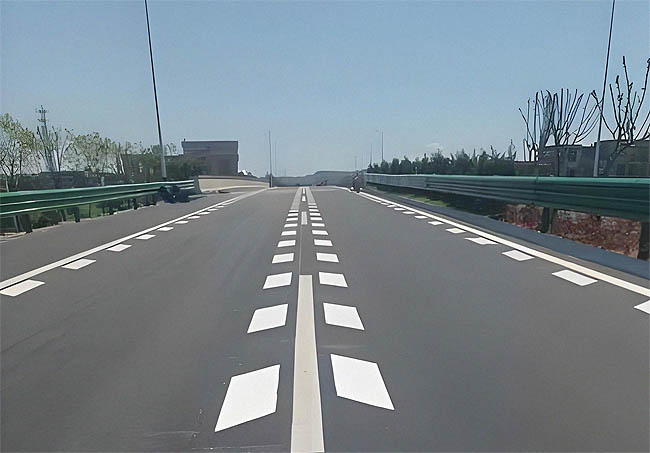
How Road Marking Machines Mark Lines in Different Widths
Road marking machines can adjust line widths according to construction needs, typically ranging from 5 cm to 50 cm. Different types of road marking machines—including thermoplastic, cold paint, and two-component systems—employ distinct adjustment methods to achieve precise markings on highways, parking lots, and urban roads.
-
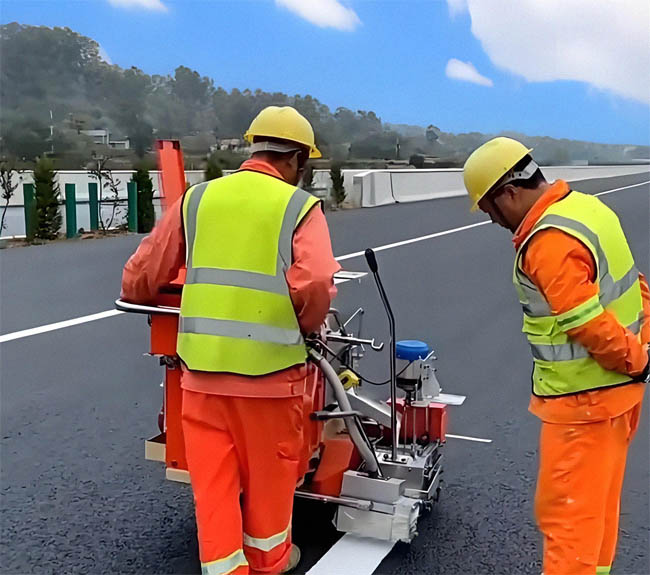
How to Apply Thermoplastic Road Markings: Complete Construction Guide
Proper thermoplastic road marking construction is essential for safety, durability, and visibility. This guide details the complete process, required equipment, and best practices for efficiently applying thermoplastic road marking paint.
-
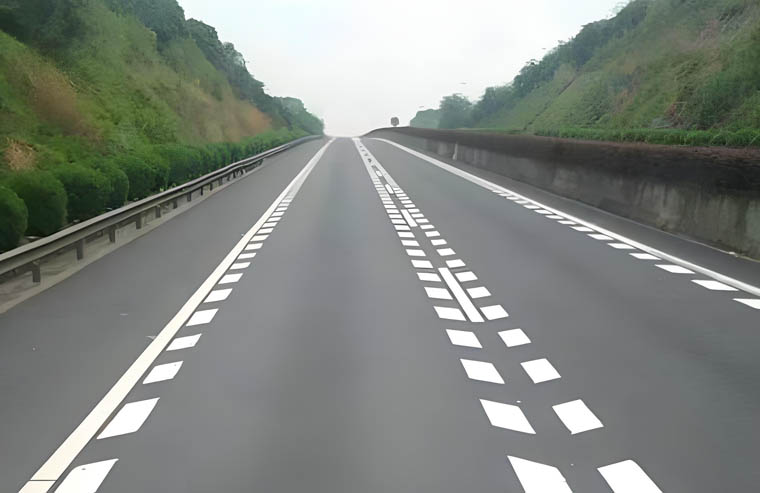
How Does Low Pavement Temperature Affect Thermoplastic Road Marking Paint?
The impact of low-temperature pavement on thermoplastic road marking paint is critical for high-quality road marking projects. Low-temperature pavement accelerates cooling, leading to cracking, reduced adhesion, and diminished reflectivity, ultimately shortening the service life of road markings.