
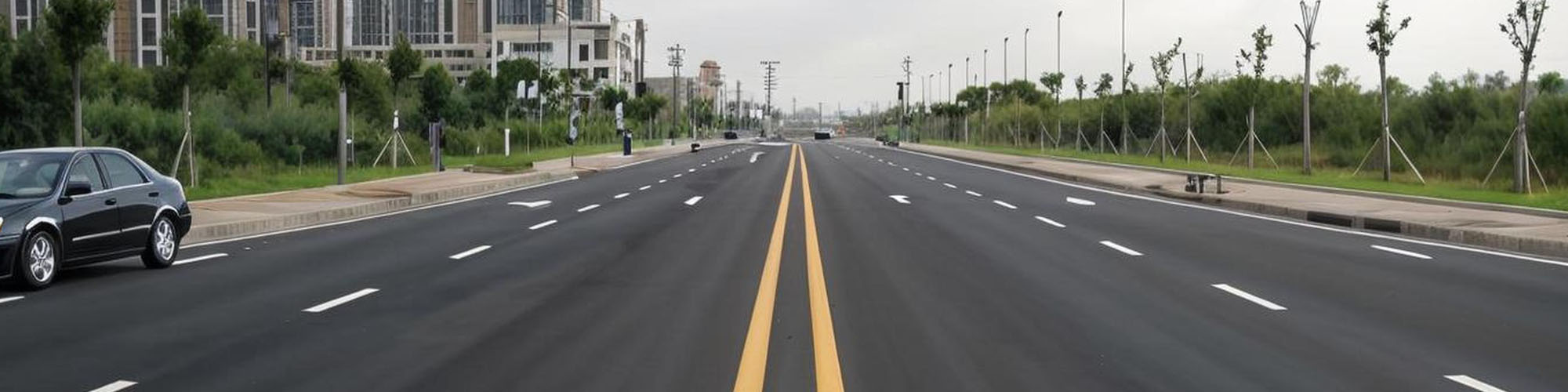
Tag: road marking equipment
-
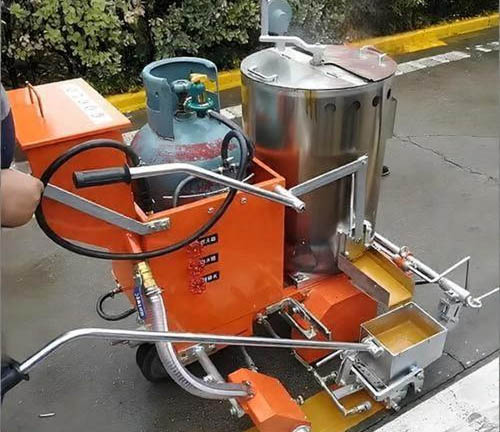
Key Components That Determine the Performance of a Thermoplastic Road Marking Machine
This article introduces three key components of a thermoplastic road marking machine: the engine, air compressor, and paint bucket, and explains how they affect overall performance.
-
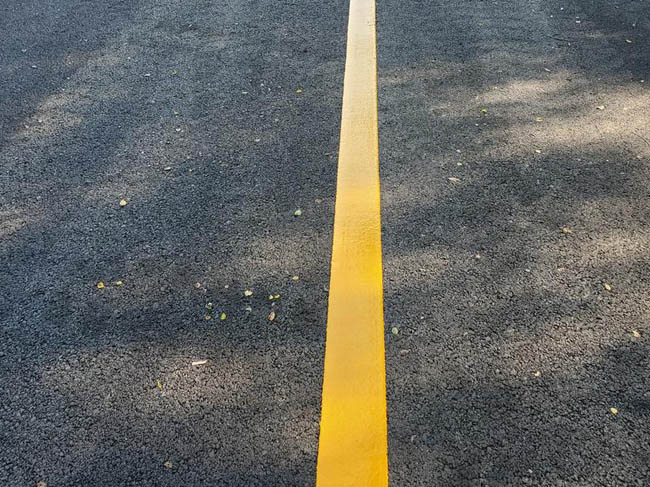
Road Marking Construction in Summer vs. Winter: Critical Differences You Must Know
Even when using the same road marking paint and the same crew, the results of road marking applications can vary significantly between summer and winter. Temperature, humidity, surface temperature, and curing rates all undergo significant changes. Learn expert techniques to ensure consistent application quality year-round.
-
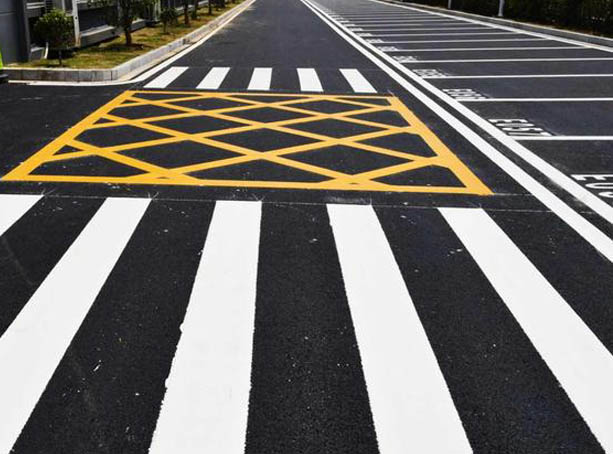
How Do Road Marking Machines Adapt to Different Marking Widths?
The international standard for road marking width is 15 centimeters, but in practice, marking widths typically range from 5 to 50 centimeters. How do road marking machines achieve this flexibility?
-
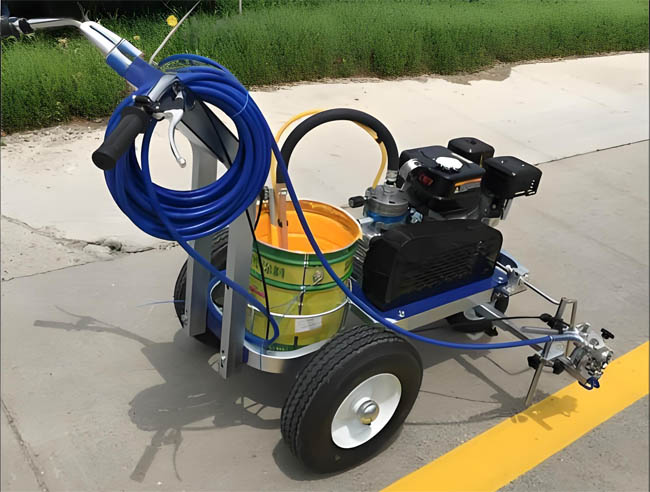
Thermoplastic vs. Cold Paint Road Marking: Which Has a Higher Cost?
Compare the costs of thermoplastic road marking and cold paint road marking. Learn about material properties, application processes, durability, and factors influencing pricing to make an informed choice for road marking projects.
-
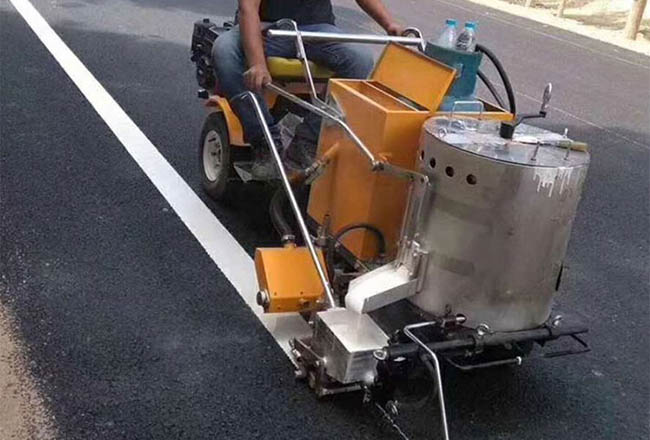
The Real Cost of a Road Marking Machine: Beyond the Price Tag
When purchasing a road marking machine, most buyers focus solely on the initial price. However, the actual cost includes paint consumption, labor efficiency, maintenance, and auxiliary equipment.
-
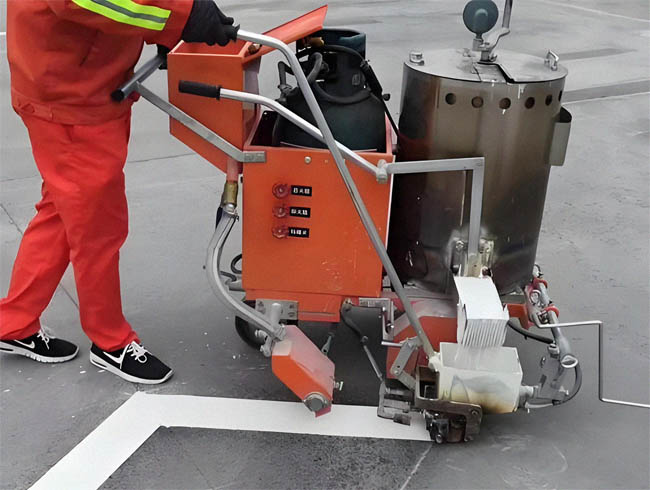
Most Important Components Affecting the Performance of a Road Marking Machine
The performance of a road marking machine depends on several key components, including the spraying system, power system, air compressor, and heating system. High-quality road marking equipment ensures precise line marking, stable paint flow, excellent adhesion, and long-term durability for highway, airport, parking lot, and urban road applications.
-
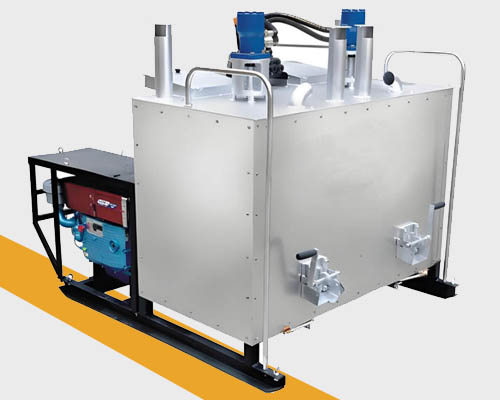
Thermoplastic Melting Kettle in Road Marking: Functions, Advantages & Selection Guide
A thermoplastic melting kettle is essential equipment for melting and preheating thermoplastic materials prior to road marking applications. Learn about its functions, advantages, operating procedures, key selection criteria, and how to use it in conjunction with a thermoplastic road marking machine to achieve durable, high-visibility road markings.
-
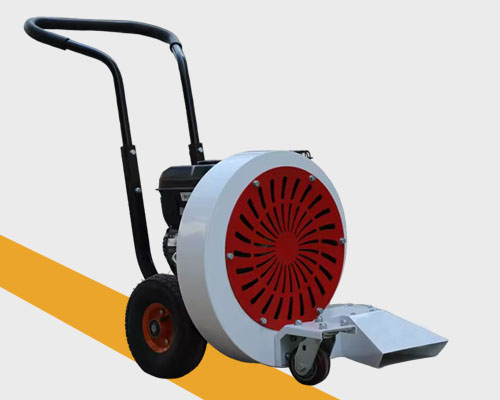
Essential Auxiliary Equipment for Road Marking
In addition to the road marking machine itself, what auxiliary equipment is required for professional road marking? Learn about key tools such as air blowers, cleaning machines, primer applicators, and water line markers, which can enhance the adhesion, precision, and efficiency of road markings.
-
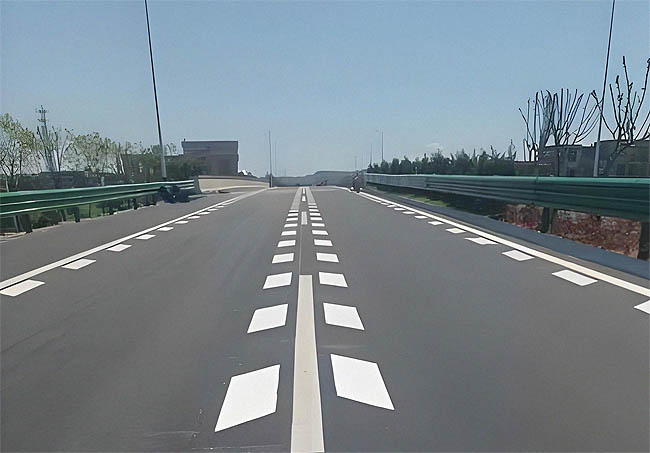
How Road Marking Machines Mark Lines in Different Widths
Road marking machines can adjust line widths according to construction needs, typically ranging from 5 cm to 50 cm. Different types of road marking machines—including thermoplastic, cold paint, and two-component systems—employ distinct adjustment methods to achieve precise markings on highways, parking lots, and urban roads.
-
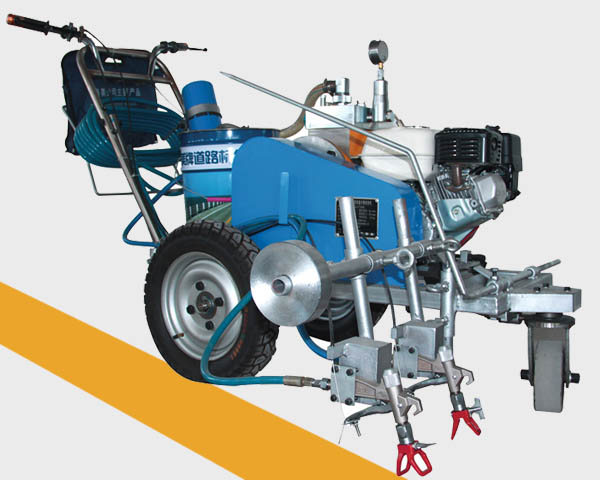
RS-350 Hand-pushed Cold Paint Road Marking Machine
RS-350 hand-pushed cold paint road marking machine. Utilizing high-pressure airless spray technology, it creates durable, bubble-free pavement markings, making it the ideal choice for road marking projects.