
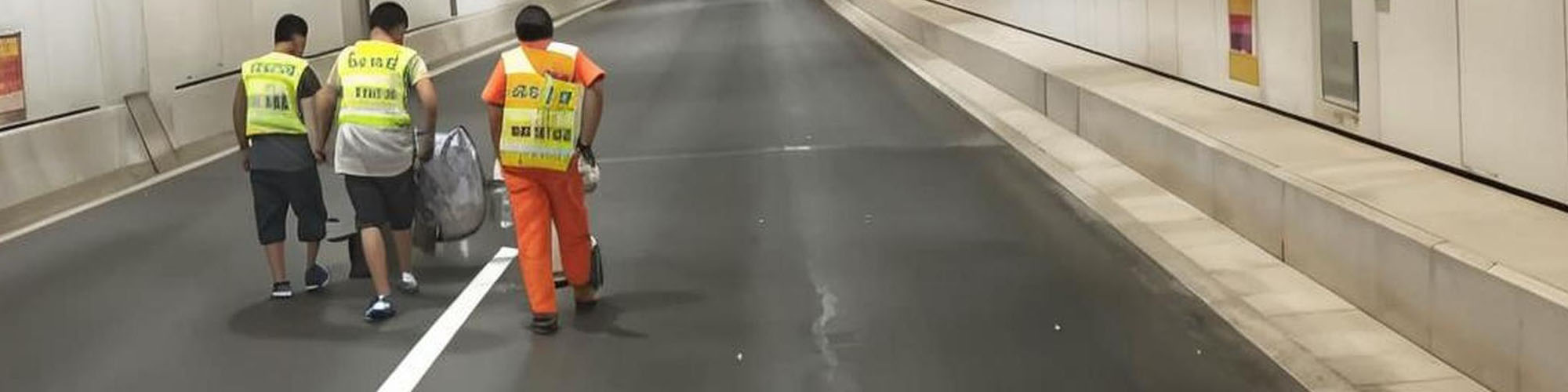
Under optimal conditions, thermoplastic road markings can last 3 to 5 years or even longer. However, their actual lifespan depends on several key factors, such as traffic volume, weather conditions, pavement quality, material composition, and application techniques. To maximize longevity, high-quality materials must be used, proper application with suitable marking equipment is essential, and regular maintenance is required to ensure long-term visibility, reflectivity, and safety.
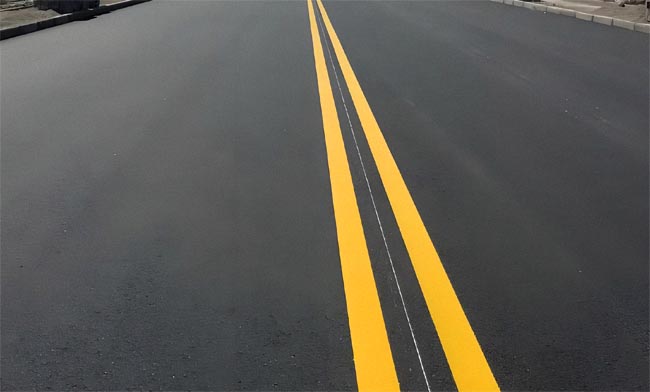
Road markings play a vital role in ensuring road safety and traffic efficiency. They provide clear guidance for drivers, pedestrians, and cyclists, helping reduce accidents and improve traffic flow. Among various road marking materials, thermoplastic markings stand out for their durability, quick drying time, and excellent retroreflective performance when combined with reflective glass beads. But what factors influence the lifespan of these road markings? And how can their service life be extended?
Factors Affecting the Lifespan of Thermoplastic Road Markings
1. Traffic Volume and Vehicle Types
High-traffic areas, especially those frequented by trucks, buses, and industrial vehicles, experience faster wear on road markings. Continuous tire friction, combined with vehicle weight and passage frequency, accelerates the deterioration of thermoplastic pavement markings. In contrast, markings on roads with lower traffic volumes typically last longer.
2. Climate and Weather Conditions
Extreme temperatures, UV exposure, precipitation, and freeze-thaw cycles degrade road marking performance over time. While thermoplastic powder road paints are designed to withstand harsh environments, prolonged exposure to intense sunlight or moisture can cause fading, cracking, or reduced adhesion. Increased inspection and maintenance frequency is recommended in regions with severe climates.
3. Pavement Surface Quality
A well-maintained, clean, and level pavement surface ensures better adhesion for thermoplastic road marking paint. Cracks, potholes, or uneven surfaces can cause premature peeling or flaking of the paint. Proper surface preparation before application is crucial for achieving long-lasting results.
4. Quality of Road Marking Materials
Not all thermoplastic marking paints are created equal. High-performance thermoplastic powder road marking paint contains premium resins, pigments, fillers, and additives that enhance durability, skid resistance, and color retention. Incorporating reflective glass beads (typically 18%–25% by weight for standard reflective markings) is essential for nighttime visibility and long-term reflectivity. Premium paints with higher glass bead content or those utilizing advanced ceramic beads can further extend service life.
5. Application Techniques and Equipment
Using appropriate road marking machine is essential for achieving uniform, long-lasting markings. Modern line striping equipment ensures even application, accurate thickness, and proper embedding of glass beads into the hot thermoplastic. Automated equipment also improves efficiency and reduces human error. Professional application ensures strong adhesion between the marking and pavement, minimizing the risk of premature damage.
6. Maintenance and Renewal
Even the best thermoplastic markings require periodic maintenance. Over time, applying a renewal overlay or adding reflective beads can restore brightness and retroreflectivity. Regularly cleaning dirt and debris from markings also helps maintain performance.
How to Extend the Lifespan of Thermoplastic Road Markings
- Choose High-Grade Materials: Opt for thermoplastic powder road paint with UV stabilizers, anti-skid aggregates, and high reflectivity grades.
- Use Advanced Road Marking Machines: Invest in precise road marking machines that control paint temperature, thickness, and bead dispersion.
- Ensure Proper Glass Bead Incorporation: Add reflective glass beads both during extrusion (drop coating method) and post-application (surface coating method) to maintain reflectivity.
- Follow Best Construction Practices: The pavement must be clean and dry. Maintain ambient and pavement temperatures within recommended ranges during application.
- Implement a maintenance plan: Inspect markings annually and schedule regrouting or spot recoating in high-wear areas.
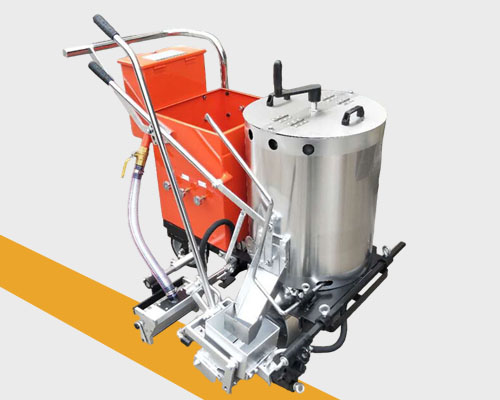
Notably, recent advancements in high-performance thermoplastic marking materials—such as anti-skid high-brightness formulations—have enhanced brightness by 30% and skid resistance by 15% through optimized resin formulations and increased glass bead content. These innovations have demonstrated extended service life on select test sections.
By understanding the role of reflective glass beads, selecting appropriate road marking machine, and adhering to best practices for materials and application, road operators can ensure markings remain effective for 3 to 5 years or longer. Regular maintenance and continued adoption of innovative materials will further enhance marking performance, safety, and value.