
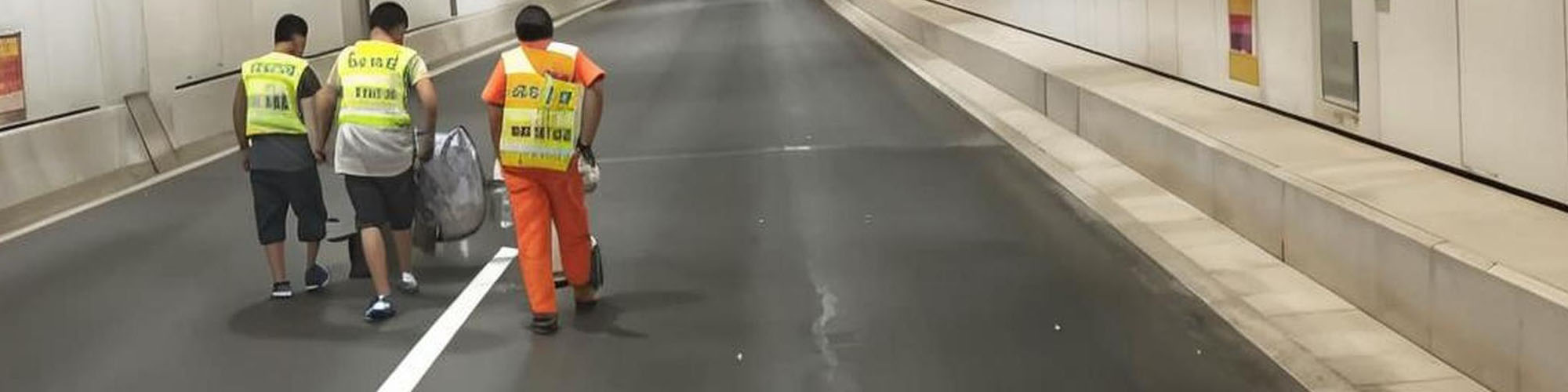
Removing old road marking paints is a critical task for road maintenance crews, airport runway managers, and parking lot operators. Unlike ordinary paint, road markings are designed to withstand heavy traffic, UV exposure, and harsh weather conditions. This makes removing old markings technically challenging. Using the wrong method can damage the pavement or leave ghosting. Today, the most effective solution is to use a road marking removal machine, which combines power, precision, and surface protection.
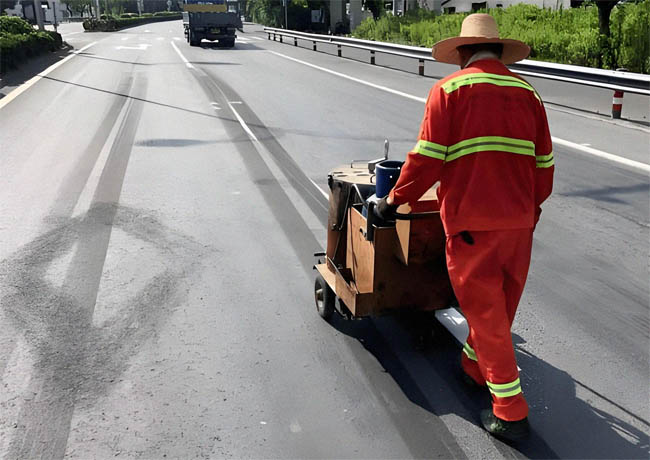
Why Can’t You Simply Repaint Over Old Markings?
Painting over existing markings leads to uneven line thickness, reduced reflectivity, and accelerated wear. Old markings can also cause confusion regarding lane boundaries. Proper removal ensures that new markings have a clean, safe, and code-compliant surface.
Step 1: Determine Paint Type and Surface Material
Before selecting a road marking paint removal machine, determine:
- Paint Type: Water-based (easy to remove) or Solvent-based/Thermoplastic (high durability, heat-resistant)
- Surface: Asphalt (softer, more susceptible to damage) or Concrete (harder, easier to treat)
This selection determines whether you need a high-pressure water jet road marking removal machine, a grinder, or a chemical method.
5 Proven Road Marking Removal Methods
1. High-Pressure Water Jetting (Recommended)
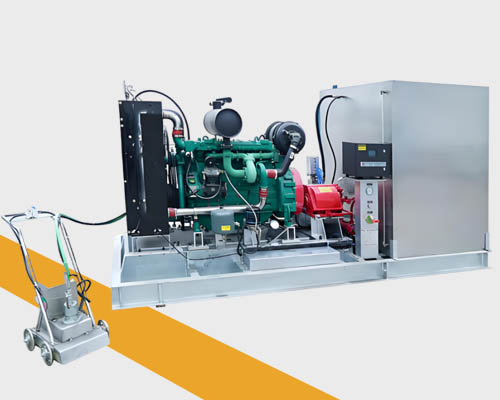
High-pressure water road marking removal machines use ultra-high-pressure water jets (up to 40,000 psi) to remove paint without damaging the aggregate. This method offers the following advantages:
- Eco-friendly: No chemicals required, minimal dust
- Surface safety: Preserves surface texture, facilitating repainting
- Fast: Can remove 500–800 square meters of markings per day
Best suited for: Thermoplastic, water-based, and solvent-based coatings on asphalt and concrete.
2. Mechanical Grinding (Abrasive Removal)

Road marking removal machines equipped with diamond or carbide grinding heads physically grind away the coating. This method is highly effective for thick coatings but carries a risk of surface scratching. It is typically used as a follow-up process after hydroblasting.
3. Chemical Strippers
Powerful solvents dissolve old markings. Suitable for small areas or solvent-based coatings. However, chemicals may penetrate the asphalt, requiring sealing, and pose environmental disposal challenges.
4. Infrared or Heat-Based Removal
Heat guns or infrared heaters can soften thermoplastic markings, which are then scraped off. Suitable for thick, heat-sensitive coatings, but the process is slow for large projects and generates smoke.
5. Shot Blasting
A shot blasting machine propels steel abrasives onto the surface to remove the paint. Suitable for concrete, but too abrasive for most asphalt surfaces. Commonly used in factory floors or airport runways.
Comparison Chart: Which Road Marking Removal Machine Is Right for You?
| Method | Best For Surface | Speed | Surface Damage Risk | Eco-Friendliness |
|---|---|---|---|---|
| High-pressure water | Asphalt & Concrete | High | Low | High |
| Grinding | Concrete only | Medium | Medium | Medium |
| Chemical | Asphalt (small areas) | Low | Low (but chemical residue) | Low |
| Infrared | Thermoplastic on asphalt | Low | Low | Medium |
| Shot blasting | Concrete | High | High (on asphalt) | Medium |
Safety and Environmental Considerations
Modern road marking paint removal machines are equipped with dust suppression systems, noise reduction devices, and water recycling systems. When selecting equipment, consider the following:
- Low VOC emissions (volatile organic compounds)
- Recycled water capability for hydro-demolition units
- Anti-sparking features for work near fuel stations or tunnels
If you lack training or do not have the appropriate road marking removal equipment, you are likely to cause surface damage. Professional companies like Huayuan employ a multi-step process—preheating, high-pressure water washing, edge cleaning, and surface profiling—to ensure perfect adhesion of new markings.