
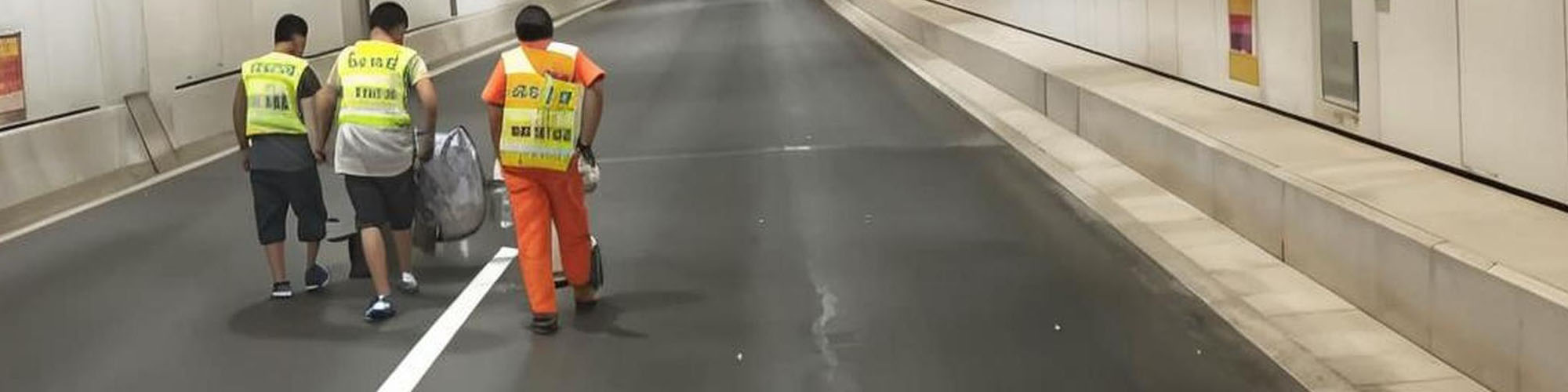
1. What Is Thermoplastic Road Marking Paint?
Thermoplastic road marking paint, commonly known as hot melt marking paint, is a powdered coating that is solid at room temperature. Unlike traditional liquid coatings, it must be heated to 180°C to 220°C before application. Upon cooling, it physically cures into a durable film. Due to its fast curing speed, high durability, and excellent retroreflective properties, it is the preferred marking material for highways, urban roads, airports, and parking lots.
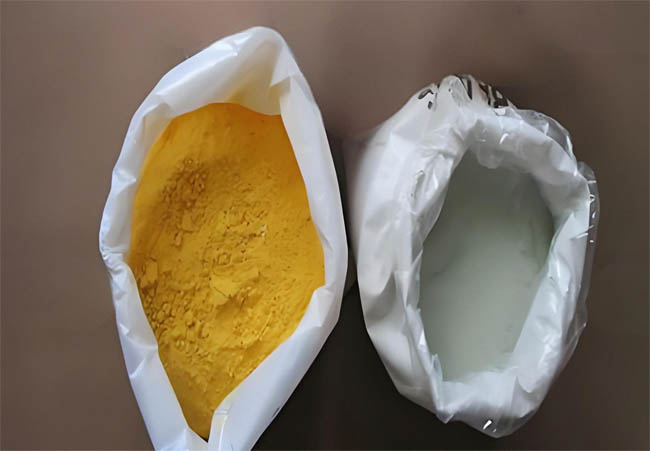
The key advantages that have made thermoplastic road marking paint the industry standard include:
- Rapid Curing: The coating dries in 3-15 minutes, allowing for the quick reopening of traffic lanes.
- High Durability: Offers resistance to wear and tear from traffic, providing a service life of 1 to 3 years depending on traffic volume.
- Excellent Reflectivity: When embedded with glass beads, it provides superior visibility at night.
- Thick Film Build: A typical application thickness of 1.5 to 2.5 mm ensures long-lasting visibility and skid resistance.
2. Core Components of Thermoplastic Road Marking Paint
The performance of thermoplastic road marking paint depends on the synergistic interaction of its four main components: thermoplastic resins, pigments and fillers, retroreflective glass beads, and additives. The quality and proportions of these components directly affect the paint’s flowability, adhesion, abrasion resistance, and color stability.
2.1 Thermoplastic Resins (The Binder/Base)
Resins act as film-forming agents and form the backbone of the marking paint. They bind all other components together and ensure the paint adheres to the road surface. The choice of resin determines the paint’s softening point, melt viscosity, and adhesion properties.
This category is primarily divided into two major types:
- Petroleum resins: This category includes C5 hydrocarbon resins, C9 petroleum resins, and their hydrogenated derivatives. They are highly favored for their fast drying speed, high hardness, and cost-effectiveness.
- Modified rosin resins: Examples include rosin esters or maleic acid-modified rosin. They typically exhibit excellent wetting properties and low-temperature flexibility.
2.2 Pigments and Fillers
This component imparts color, hiding power, and mechanical strength to the coating.
- Titanium Dioxide (TiO₂): Essential for white road markings, it provides the necessary whiteness and hiding power to cover the dark asphalt beneath.
- Inorganic Pigments: Yellow road markings use pigments such as iron oxide yellow or chrome yellow to achieve the desired color coordinates.
- Fillers: Materials such as calcium carbonate and quartz sand are added to increase the volume of the coating, control melt viscosity, and enhance abrasion resistance.
2.3 Reflective Glass Beads
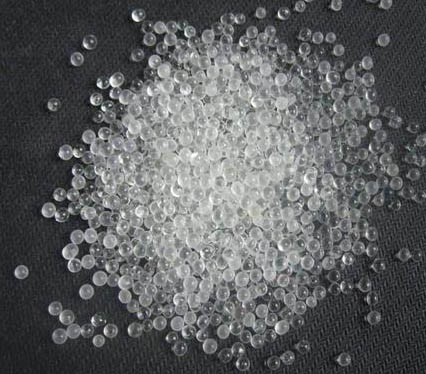
Retroreflectivity is an important safety feature. Glass beads are transparent microspheres that reflect headlight beams back toward the driver. They are typically added in two ways:
- Premixing: Mixed with the coating (typically at a weight ratio of 18%–25%) to ensure the markings retain their retroreflectivity throughout their service life.
- Dropping: Applied to the surface immediately after coating application to provide instant retroreflectivity and skid resistance.
2.4 Additives (Processing Aids)
These additives include plasticizers (such as chlorinated paraffin or di-n-octyl phthalate), which improve flexibility and prevent cracking; anti-settling agents, which keep fillers suspended during the melting process; and optical brighteners, which enhance initial whiteness.
3. The Critical Role of C5 Hydrocarbon Resin
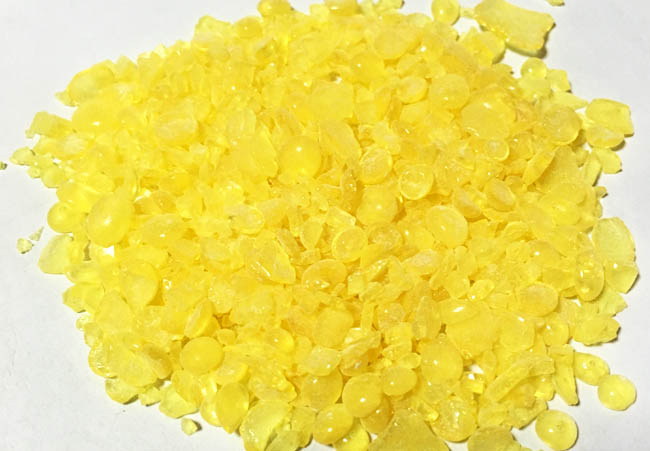
C5 hydrocarbon resin, often referred to simply as C5 resin, is widely recognized as one of the most vital raw materials in the production of high-performance thermoplastic road marking paint. Derived from the C5 fraction of petroleum cracking (specifically aliphatic olefins and diolefins), this synthetic polymer offers a unique balance of properties that are critical for traffic safety.
Key Characteristics of C5 Hydrocarbon Resin:
- Appearance: Typically appears as pale yellow granules or flakes with a low odor profile.
- Softening Point: Generally ranges from 90°C to 110°C (ball-and-ring method), ensuring the paint melts at the right temperature without degrading.
- Compatibility: Exhibits excellent miscibility with EVA (Ethylene-Vinyl Acetate) copolymers, PE (Polyethylene) waxes, various pigments, and fillers used in road paints.
Why C5 Resin is Preferred in Road Marking:
- Superior Adhesion: It provides exceptional bonding strength to both asphalt and concrete substrates, resisting peeling caused by vehicle tires.
- Rapid Curing: Its molecular structure facilitates quick physical hardening upon cooling, allowing traffic to resume swiftly.
- Thermal Stability: C5 resin demonstrates high stability when heated to 200°C, resisting oxidation and decomposition during the application process.
- Enhanced Abrasion Resistance: By increasing the hardness of the film, it extends the service life of the road marking under heavy traffic loads.
- Flowability: It lowers the melt viscosity of the paint, resulting in a smooth, level coating that produces crisp, sharp edge lines.
- Cost-Effectiveness: Compared to terpene resins or certain hydrogenated resins, C5 offers the best performance-to-cost ratio for high-volume applications.
4. Technical Properties and Performance Indicators
To ensure the safety and longevity of road markings, the raw materials must be formulated to meet specific technical specifications:
| Property | Standard Value | Significance |
|---|---|---|
| Softening Point (Ring & Ball) | 90°C – 110°C | Determines the melting temperature; too high causes fuel waste, too low causes bleeding. |
| Melt Viscosity | 150 – 250 mPa·s (at 200°C) | Affects the application fluidity and the ease of dropping glass beads. |
| Drying Time (No-Pick-Up) | ≤ 3 minutes | Crucial for minimizing traffic disruption. |
| Luminance Factor (White) | ≥ 75% | Ensures high daytime visibility. |
| Skid Resistance Value (BPN) | ≥ 45 | Provides sufficient friction for vehicle tires. |
| Water Absorption | ≤ 0.5% | Prevents damage from freeze-thaw cycles. |
Are you looking for a reliable supplier of high-quality thermoplastic road marking paints or C5 hydrocarbon resins? Huayuan offers road marking paints with stable quality, strong compatibility, and consistent performance to meet the needs of customers worldwide.
Contact us today to request a quote, technical data sheet (TDS), or product samples. We are committed to providing high-quality raw materials for safer, brighter roads.