
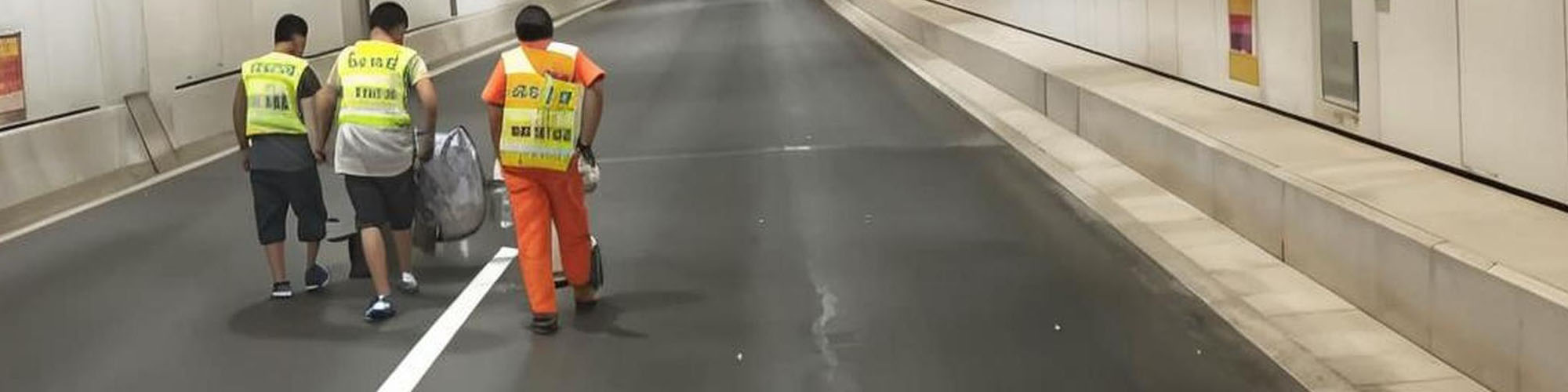
Glass beads play a crucial role in modern road marking systems. As a vital retroreflective medium, reflective glass beads significantly enhance nighttime visibility and wet-night performance, thereby improving overall traffic safety. Understanding the proper application methods for road marking glass beads helps highway authorities, contractors, and engineers achieve optimal retroreflectivity and long-term pavement durability.
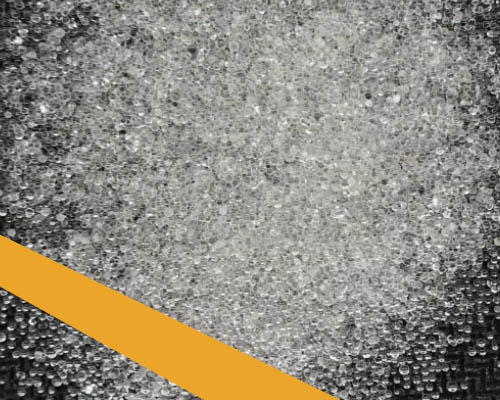
Main Types of Road Marking Glass Beads
Based on application methods, road marking glass beads are typically categorized into three types:
1.Drop-On Glass Beads (Surface Application)
Drop-on glass beads are broadcast onto the surface of thermoplastic paint, cold paint, or MMA road marking materials immediately after application. These glass beads require excellent sphericity and appropriate particle size distribution to ensure partial embedding within the coating while partially exposing the surface, forming effective retroreflective units. Drop-on reflective beads are widely used on highways, urban roads, airport runways, and parking lots.
2.Premixed Glass Beads (Intermix Type)
Premix glass beads are incorporated directly into the road marking material during production. They ensure long-term retroreflective performance, maintaining effectiveness even as the surface layer wears down, making them suitable for durable thermoplastic road markings. As the surface layer erodes under traffic wear, the internal premixed glass beads become exposed, restoring reflective properties. This makes premixed glass beads ideal for high-traffic environments and long-life projects.
3. Combined System (Drop-On + Premix)
The combined system integrates both premix and drop-on glass beads. It delivers immediate retroreflectivity while maintaining long-term visibility. This approach is commonly used on highways and high-grade roads where safety and durability are paramount considerations.
Different types of glass microspheres must be selected based on road conditions and reflectivity requirements. Conventional glass beads with a refractive index around 1.50 are suitable for standard roads. Enhanced or high-strength products with a refractive index above 1.60 are required for high-grade highways. For long-lasting, rain-night reflective markings, ultra-high-strength glass beads with a refractive index exceeding 1.70 must be used. Additionally, surface-treated coated glass beads are available. When used in road marking applications, they enhance adhesion to thermoplastic markings, increase refractive index, and offer self-cleaning, stain-resistant, and moisture-proof properties.
Why Selecting the Right Glass Beads Matters
Proper glass bead application improves nighttime and rainy-night visibility, reduces traffic accidents, extends road marking lifespan, lowers maintenance costs, and elevates road safety management standards. Whether for municipal roads, highways, airport markings, or industrial zone markings, selecting suitable reflective glass beads and adhering to specifications ensures exceptional reflectivity and durability.
Henan Huayuan is a globally leading supplier of road marking equipment and high-performance glass beads. We provide high-reflectivity road marking glass beads, thermoplastic road marking machines, and auxiliary road marking equipment. Through stringent quality control and compliance with international standards, we empower contractors worldwide to deliver safe, durable, and highly visible road marking systems.