
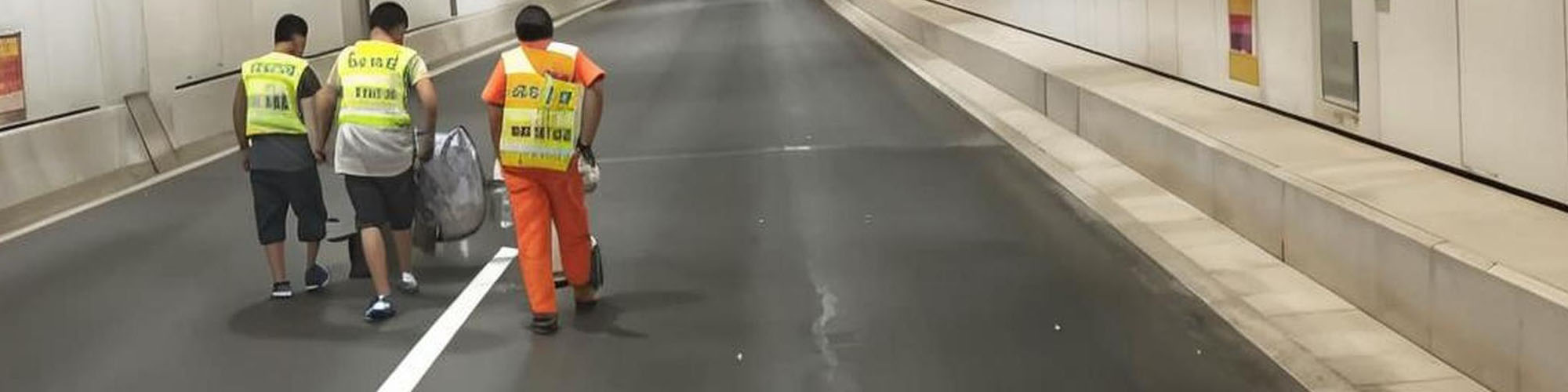
Road marking machines are the backbone of modern transportation infrastructure, used to apply durable, high-visibility lane lines, crosswalks, and directional markings. While the main unit provides the core spraying or extrusion functions, it is the road marking machine accessories that truly define operational versatility, line quality, and job-site productivity. The following section provides a detailed analysis of these key components, their mechanical functions, and the engineering principles that make them indispensable.
1. Glass Bead Dispensers
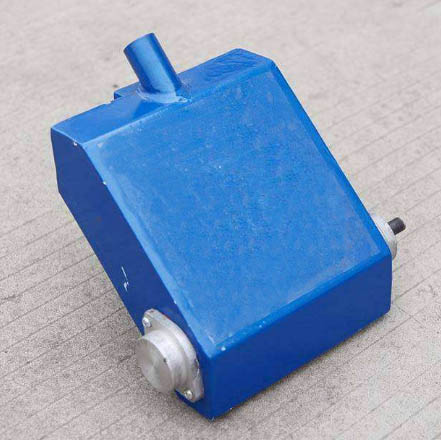
A glass bead dispenser is a pneumatic or mechanically driven hopper used to scatter tiny spherical glass beads onto the surface of freshly applied wet paint or thermoplastic marking material.
Function: The beads embed themselves into the coating surface, forming a retroreflective layer that reflects light from vehicle headlights back into the driver’s field of vision.
Technical Details: The dispensing rate (typically 200–400 g/m²) must be synchronized with the equipment’s travel speed and material flow rate. Advanced dispensers use PWM-controlled vibratory feeders to maintain consistent bead embedment depth (50–60% of bead diameter) for optimal reflection without compromising skid resistance.
2. Additional Spray Guns
Installing additional spray guns (airless or air-assisted) enables the simultaneous application of different colors (such as white edge lines and yellow center lines) or the application of a two-layer structure (base coat + anti-skid topcoat).
Function: Enables lane-by-lane marking without repositioning the machine.
3. Line Guidance Systems
A line guidance system uses ultrasonic sensors, laser scanners, or camera-based machine vision to follow existing road features or guide strings.
Function: Maintains straight or curved line trajectories with < ±5 mm deviation at speeds up to 8 km/h.
4. Marking Shoe—Contour and Thickness Control
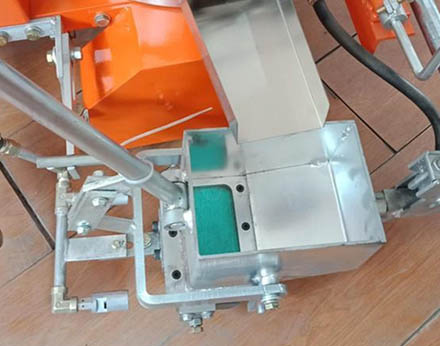
The marking shoe (also called screed boxes or extrusion dies) is a metal forming component used to shape thermoplastic or cold-applied marking materials into flat, raised, or textured markings.
Function: Determines the line width (e.g., 10 cm, 15 cm, 24 cm) and thickness (1.5–3.0 mm for standard lines; up to 5 mm for heavy-duty lines).
Technical Details: Shoes are made from hardened steel or tungsten-carbide-coated alloys to resist abrasive fillers (e.g., quartz, bauxite). Replaceable wear plates ensure the sharpness of the line edges, thereby reducing “feathering” and material waste.
5. Spray Nozzles – Atomization and Pattern Uniformity
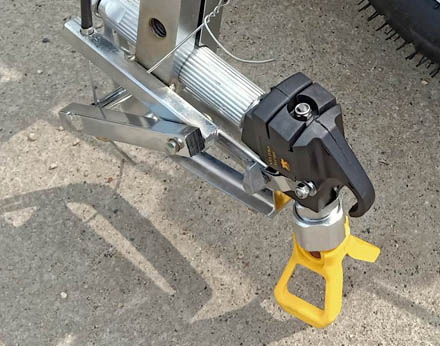
Spray nozzles (flat-fan or full-cone types) are precision-orifice components that control droplet size, flow rate, and spray angle.
Function: Affects coverage uniformity, edge sharpness, and material consumption.
6. Hydraulic System—Power and Regulation
The hydraulic system provides power for the operation of the pump, agitator, and spray arm. This system consists of components such as gear pumps or plunger pumps, relief valves, diverter valves, and proportional directional control valves.
Function: Provides a stable material flow (paint flow rate up to 15 liters per minute) and supports variable-speed agitation to keep glass beads or fillers in suspension.
7. Automatic Line Marking Controller
The automatic line marking controller is a PLC- or microcontroller-based device used to manage the start-stop sequences for line markings such as dashed lines, herringbone lines, or crosswalks.
Function: Using encoders mounted on the wheels or radar ground speed sensors, it precisely calculates the distance for “spray/stop” cycles (for example, a 2-meter line with a 4-meter gap at a design speed of 50 km/h).
8. Ride-On Attachments—Enhancing Operational Efficiency
Ride-on attachments convert walk-behind machines into ride-on, steerable work platforms equipped with ergonomic controls.
Function: Reduces operator fatigue during long-distance projects (such as airport runways and highway expansion projects).
Technical Details: These attachments are typically equipped with independent suspension systems, automotive-grade steering linkages, and integrated accelerator pedals, and feature additional storage space for consumables such as spare nozzles, tools, and glass beads.
9. Thermoplastic Preheaters
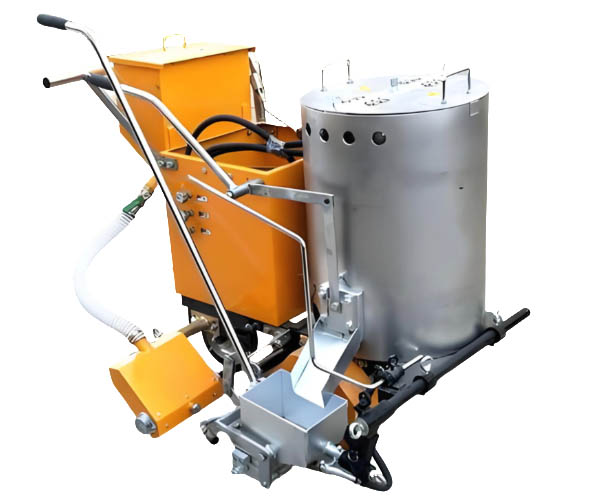
Thermoplastic preheaters are propane-fired or electric heating kettles (up to 220°C) that melt and maintain binder resin (hydrocarbon or maleic-modified rosin) at working viscosity (15,000–25,000 cP).
Function: Ensures the material maintains a constant temperature (with a fluctuation range of ±3°C) before entering the extruder or spray gun.
10. Electronic Control System—Smart Line Marking
Modern high-end equipment integrates an electronic control system featuring a touchscreen human-machine interface (HMI), data logging, and remote diagnostics.
Function: Enables automated control of intermittent marking patterns, real-time adjustment of marking width, and monitoring of material consumption.
Technical Details: These systems use PID algorithms to coordinate pump speed, nozzle pressure, and glass bead flow rate, maintaining the coefficient of variation (CV) of marking thickness below 3%—which is critical for projects compliant with FAA and ISO 9001 certification standards. Some systems also feature Internet of Things (IoT) connectivity, supporting fleet management and predictive maintenance alerts.
Conclusion
From retroreflectivity-enhancing glass bead dispensers to precision automatic line controllers, every component of a road marking machine serves a specific engineering need. By gaining a deep understanding of the mechanical principles, control logic, and material properties behind each component, contractors can optimize line durability, safety compliance, and cost-effectiveness per unit length. Investing in the right combination of accessories—particularly intelligent electronic control systems and rugged hydraulic systems—can transform basic line marking equipment into high-productivity assets that meet the requirements of global standards such as EN 1871, ASTM D713, and BS 7962.