
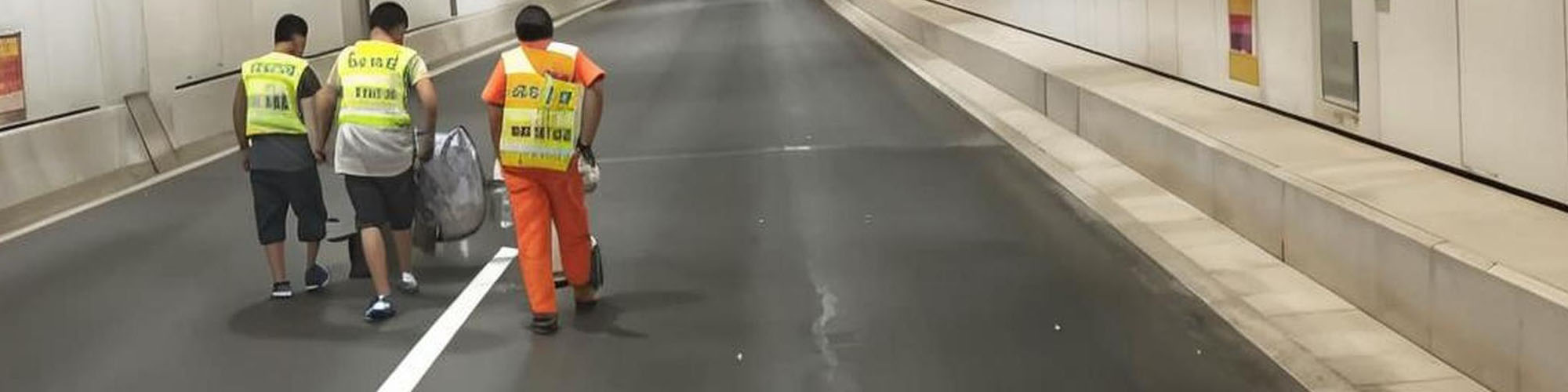
Thermoplastic road marking paint must be applied at high temperatures (typically 180°C to 220°C), effectively bond with the pavement, and cool slowly to form a robust, durable coating. However, excessively low pavement temperatures disrupt this process, causing severe quality and performance issues.
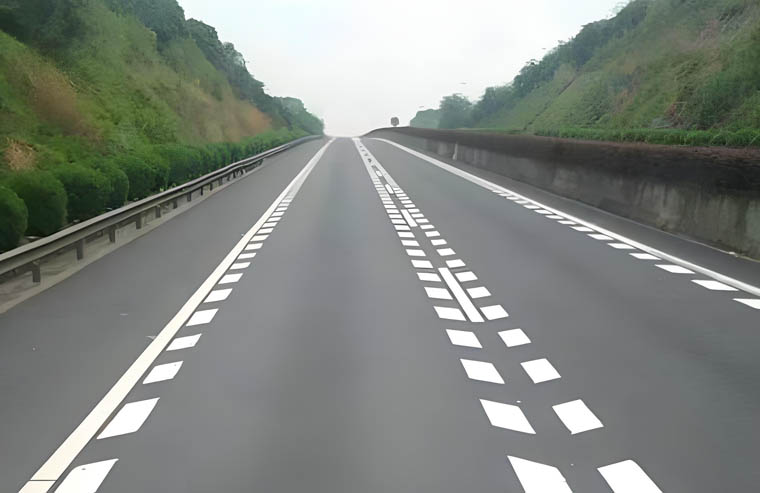
How Low-Temperature Pavement Affects Thermoplastic Road Marking Paint
1. Reduced Bond Strength and Premature Peeling
When applied to cold pavement, thermoplastic marking paint cools too rapidly. This accelerated cooling prevents resin molecules from fully penetrating the pavement’s microtexture, weakening adhesion. Over time, this can cause partial or full detachment of the road line marking, especially under traffic stress or weather changes.
2. Poor Application Performance and Surface Defects
Cold pavement causes the molten coating to lose fluidity faster, resulting in uneven application. This results in surface defects such as pitting, dullness, and uneven thickness. These flaws not only compromise the appearance of road safety markings but also diminish their durability and performance.
3. Reduced Reflectivity and Nighttime Visibility
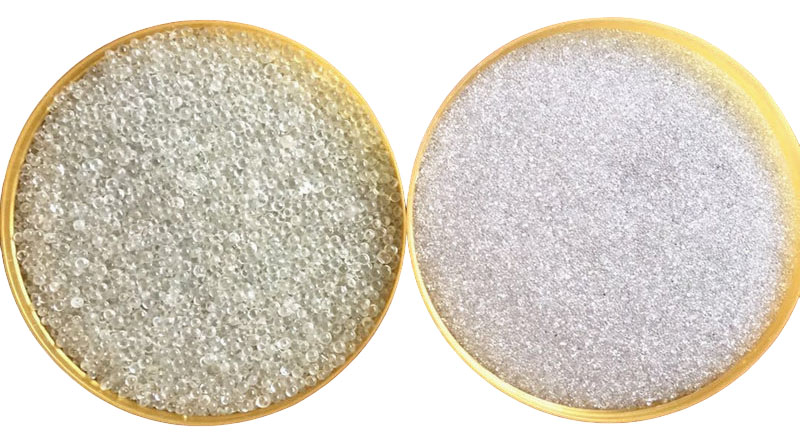
The addition of glass beads is essential for creating reflective road markings. If the coating cools too rapidly, the glass beads may fail to embed properly and become prone to detachment. This reduces the retroreflectivity coefficient, diminishing the nighttime visibility of road markings and compromising driver safety.
4. Increased Risk of Cracking and Structural Failure
Significant temperature differentials between hot paint and cold pavement create internal stresses within the coating. When these stresses exceed the paint’s tensile strength, cracking, wrinkling, or peeling occurs—structural failures that shorten the lifespan of road markings.
Recommendations for Road Marking Application in Cold Weather
- Monitor Pavement Temperature:
Industry guidelines advise against applying thermoplastic road markings when pavement temperatures fall below 10°C (50°F). Certain specifications, particularly for premium materials, require even higher minimum temperatures. Monitoring pavement conditions with an infrared thermometer is standard practice for professional road marking operations. - Preheat Pavement When Necessary:
In cold conditions, specialized road marking machines equipped with preheating systems can warm the pavement prior to application. This enhances adhesion and reduces thermal shock, ensuring more stable bonding. - Optimize Material Formulations:
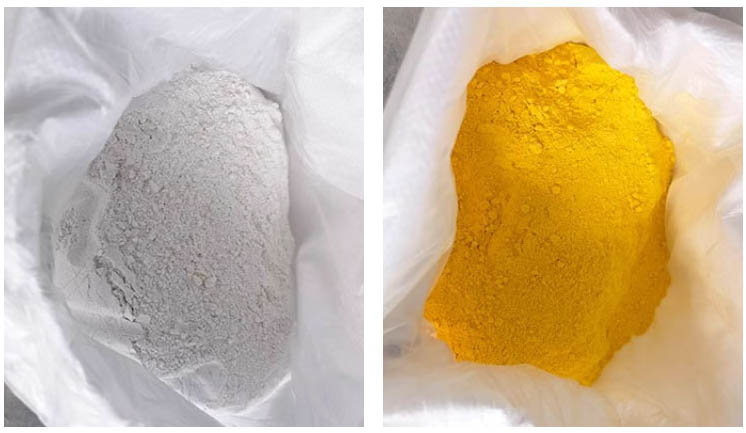
Some modern thermoplastic paints incorporate modified resins and additives that improve flexibility and adhesion at low temperatures. Consulting a trusted road marking paint supplier can help select materials suited to specific climate conditions. - Utilizing Advanced Road Marking Equipment:
High-performance road marking machines ensure precise temperature control, uniform coating application, and consistent bead distribution. Investing in quality equipment is crucial for achieving durable, long-lasting pavement markings, especially under harsh environmental conditions.
Founded in 2001, Huayuan is a premier Chinese manufacturer of road marking equipment and a provider of integrated traffic safety marking solutions. With over two decades of expertise, we deliver reliable, high-performance road marking machines and support clients with technical know-how to ensure exceptional pavement marking results. For more information on road marking standards, thermoplastic coating applications, and equipment selection, visit the Huayuan Resource Center or contact our expert team today.