
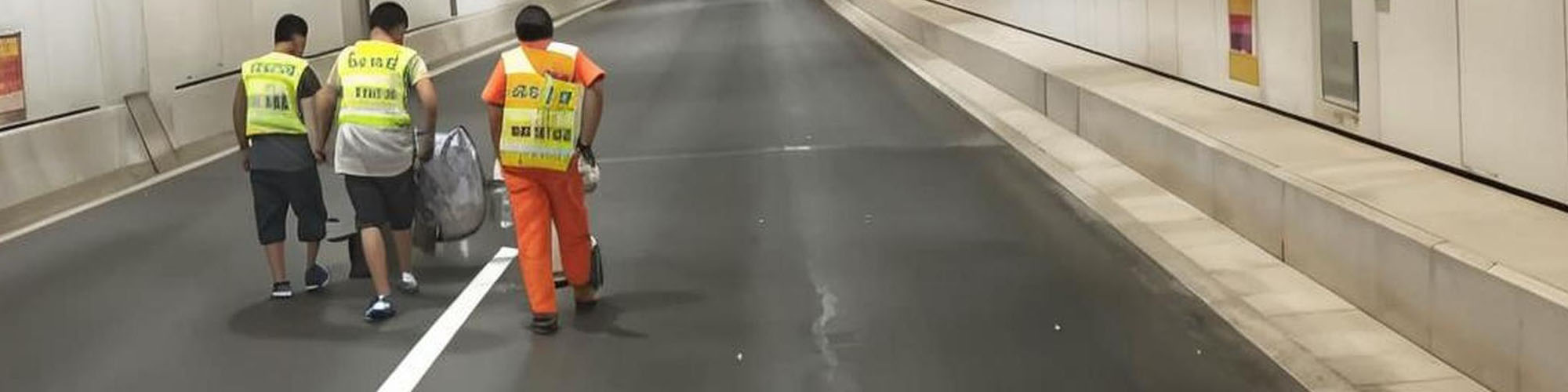
When evaluating cold paint road markings versus thermoplastic road markings, the initial installation cost is just one variable. A comprehensive total cost of ownership (TCO) analysis shows that while thermoplastic road markings require a higher upfront investment, their longer service life and superior optical performance typically result in lower long-term costs. Below, we will delve into material science, application equipment, durability metrics, and hidden cost drivers to help you make data-driven decisions.
1. Cost Comparison: Thermoplastic vs. Cold Paint Road Markings
| Marking Type | Material Cost (per ton) | Coverage (m²/ton) | Installed Cost (per meter) | Typical Lifespan |
|---|---|---|---|---|
| Thermoplastic | ¥4,200 – ¥4,500 | 180–220 (at 1.5–2.0 mm thickness) | ¥5 – ¥8 (special profiles: ¥10–¥15) | 3–5+ years |
| Cold Paint (Solvent/Water-based) | ¥11,000 – ¥12,000 | 120–150 (at 0.4–0.6 mm wet film) | ¥3 – ¥6 | 6–18 months |
Note: For parking lot projects (e.g., 100 spaces), cold acrylic paint may cost ¥20–¥40 per space, while thermoplastic with glass beads costs ¥50–¥70 per space initially.
2. Factors Influencing Cost Differences
a. Material Costs:
- Thermoplastic road marking paint: Priced at ¥4,200–4,500 per ton, thermoplastic materials offer high durability, reflectivity, and resistance to abrasion and weathering.
- Cold paint road marking materials: Although priced higher per ton (¥11,000–12,000), cold-applied markings cover a smaller area per unit and may require frequent touch-ups.
b. Construction Process and Equipment:
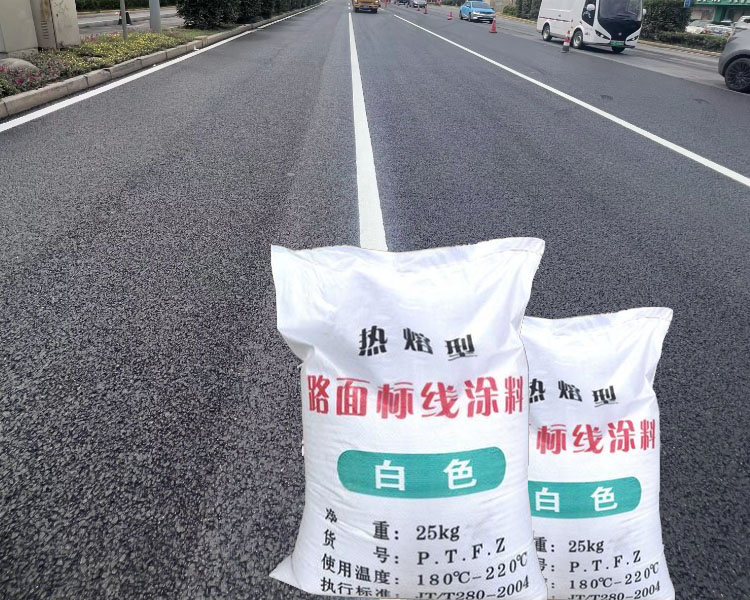
- Thermoplastic requires a road marking machine equipped with a melting kettle (preheater to 180–220°C), extruder, and glass bead dispenser. The entire system – including a road marking equipment fleet of preheaters, applicators, and profile extruders – demands skilled operators and higher fuel/electricity consumption.
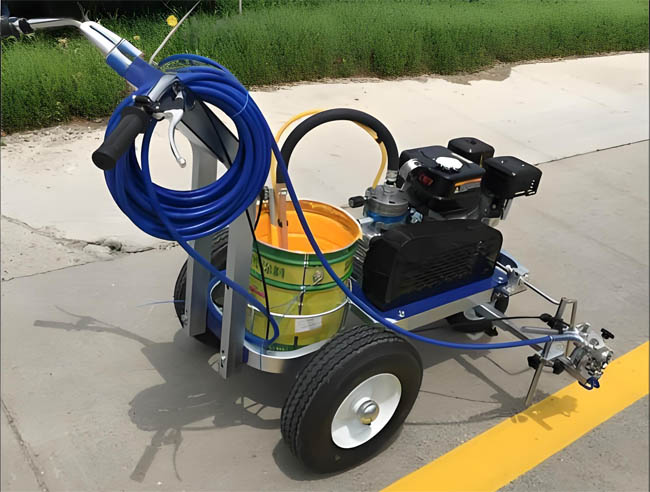
- Cold paint is applied using simpler road painting machine such as airless sprayers, roller tracers, or hand-push line stripers. No heating step reduces energy costs and allows faster setup for small areas.
c. Durability and Lifespan:
- Thermoplastic Markings: Last 2-5 years or longer due to resistance to heavy loads, UV exposure, and harsh weather. Their retroreflective properties enhance road safety, particularly at night.
- Cold Paint Markings: Typically maintain integrity for 6-18 months, making them suitable for short-term or low-traffic applications. They may require periodic maintenance, increasing lifecycle costs.
3. Additional Factors Affecting Road Marking Costs
- Project Scale and Complexity: Larger projects often reduce unit costs, while intricate designs or reflective additives increase expenses.
- Regional Variations: Labor and material costs may be 20-30% higher in metropolitan areas.
- Environmental and Regulatory Compliance: Eco-friendly materials or stringent safety standards can add RMB 8 to 12 per square meter to project costs.
- Traffic Conditions: High-traffic areas may require more durable materials like thermoplastic, while cold-applied markings suffice for sidewalks or temporary pathways.
4. Making the Right Choice for Your Project
Choose Thermoplastic Road Marking When:
- High-traffic zones: Highways, expressways, airport runways, bus lanes, and roundabouts.
- Safety-critical areas: Markings require high night-time visibility (retroreflective) and skid resistance (anti-skid aggregates can be added).
- Long-term infrastructure: Bridges, tunnels, and urban arterials where lane closure costs are prohibitive.
- Regulatory compliance: Many national standards (e.g., GB/T 16311, ASTM D4505) mandate thermoplastic for permanent markings.
Choose Cold Paint Road Marking When:
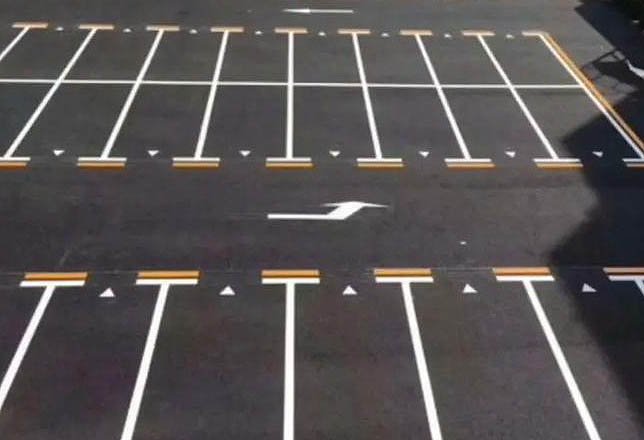
- Low-traffic or temporary: Parking lots, warehouse floors, bicycle paths, construction zones, or event markings.
- Budget-constrained short-term projects (≤18 months).
- Indoor or sheltered areas where UV and rain are minimal.
- Quick application is needed – cold paint dries in 10–30 minutes vs. 5–10 minutes for thermoplastic (but thermoplastic cures immediately upon cooling).
5. Making the Optimal Choice – A Decision Matrix
| Priority | Recommendation |
|---|---|
| Maximize safety & longevity | Thermoplastic (with anti-skid and glass beads) |
| Minimize 1st-year budget | Cold paint (solvent-based for drier climates; water-based for wet regions) |
| Balance cost & performance | Thermoplastic for lane lines; cold paint for edge lines or shoulder marks |
| Temporary or seasonal use | Cold paint – easy to remove by grinding or over-coating |
| Eco-sensitive zones | Water-based cold paint or low-VOC thermoplastic (both meeting EPA/SGBC standards) |
6. Enhancing Road Safety and Efficiency
Modern road marking machine and advanced materials like thermoplastic road paints play a vital role in improving road safety. Retroreflective markings, slip-resistant surfaces, and precise application ensure better visibility and traffic management. When selecting a marking method, consider both short-term costs and long-term benefits to optimize value and performance.
Although thermoplastic road markings have higher upfront costs than cold paint road markings, their durability, reflectivity, and low maintenance requirements make them a cost-effective choice for long-term projects. For temporary or low-traffic areas, cold-applied markings remain a viable and economical option. By evaluating factors such as material properties, application methods, and project requirements, you can select the road marking solution that best meets safety, efficiency, and budgetary needs.
For professional recommendations on road marking machine or material selection, consult industry experts to ensure your project complies with quality and regulatory standards.