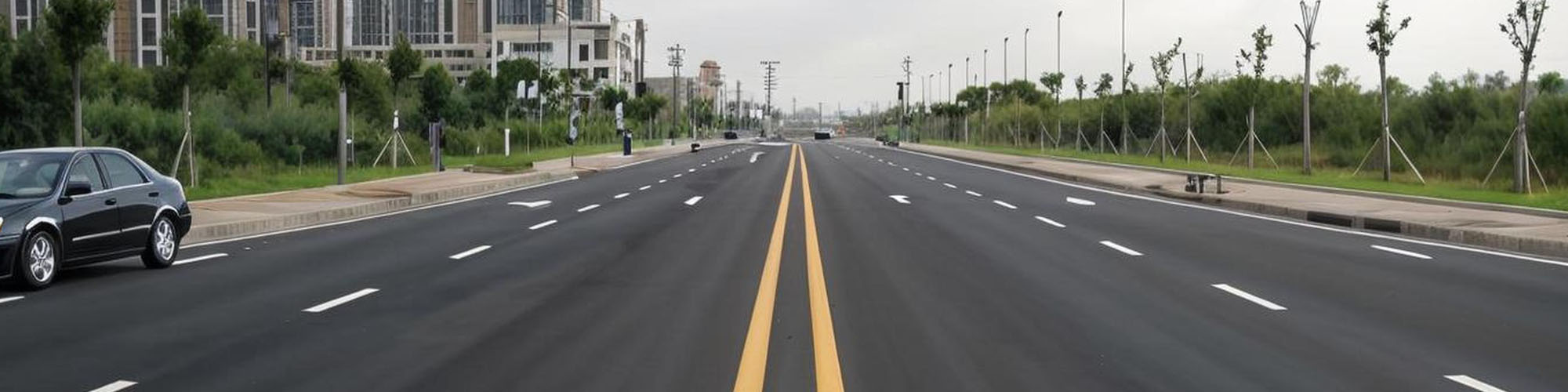
Introduction to Road Marking Machines
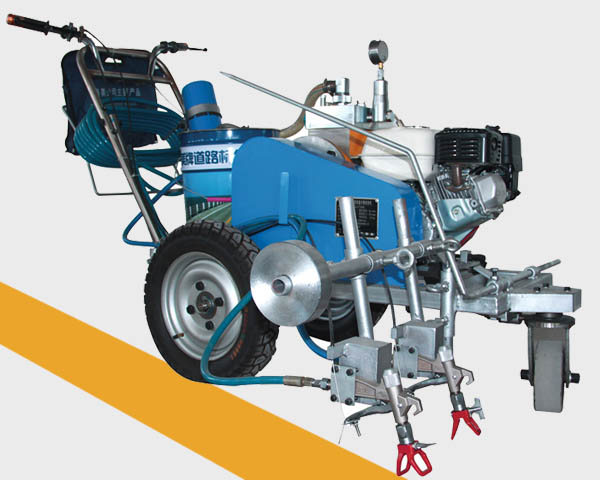
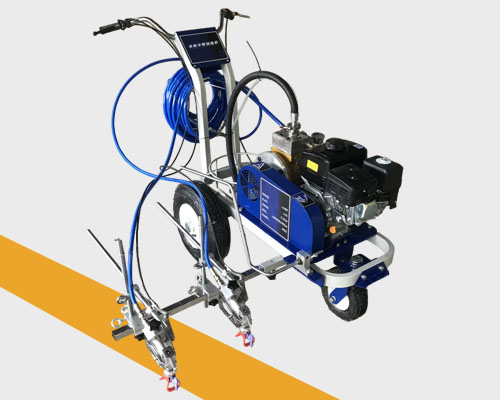
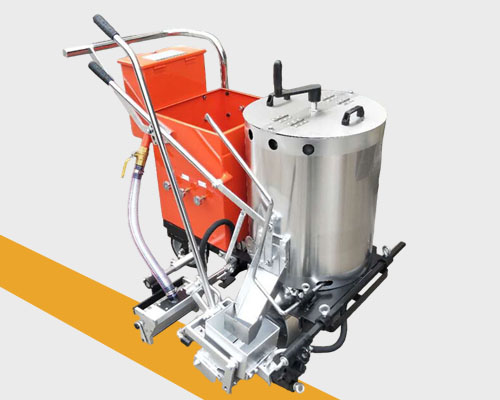
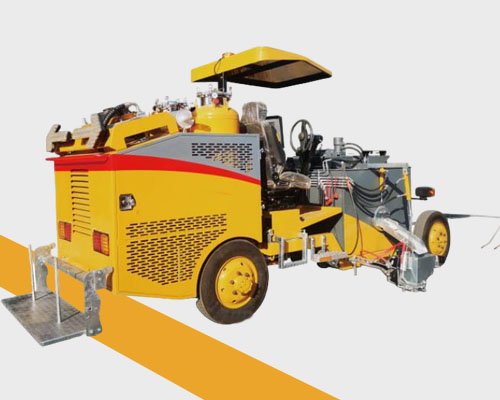
Road marking machines are essential equipment used in urban infrastructure and road construction for applying pavement markings such as lane lines, crosswalks, arrows, and other directional signs. Whether it’s a thermoplastic road marking machine, cold paint sprayer, or automatic line striping machine, proper operation and timely maintenance are critical for their performance, durability, and safety.
However, during construction, various issues may arise due to improper operation or lack of maintenance. Below are some of the most common issues and how to effectively resolve them.
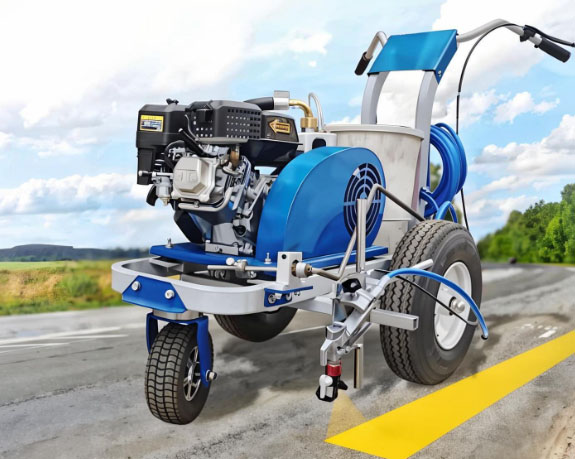
Common Issues with Road Marking Machines and Solutions
1. Pump Not Sucking Material or Difficulty in Suction
Common causes:
In cold climates, especially during winter, the viscosity of the coating increases due to lower temperatures, reducing its flowability and making it more difficult for the pump to draw material.
Solutions:
- Preheat the paint or store it in a temperature-controlled environment.
- Thoroughly mix the paint with a stirrer before use.
- Add an appropriate amount of diluent or solvent to improve flowability and reduce viscosity.
- If using thermoplastic paint, ensure it reaches the appropriate melting temperature before application.
Professional Tip: Check if the pump’s inlet filter is clogged or if there are air leaks in the suction hose.
2. Nozzle Clogging & Material Flow Issues
Common causes:
Failure to clean the road marking machine immediately after use can cause paint residue to remain in the pipes and pump. As the solvent evaporates, the paint hardens, causing blockages.
Solutions:
- Strictly follow the post-use cleaning procedure.
- Rinse the pump, hoses, and spray gun with an appropriate cleaner (water or solvent, depending on the paint type).
- If the blockage persists, remove the nozzle and clean it manually.
- Use filters at the paint tank and pump inlet to reduce debris.
3. Uneven or Inconsistent Road Marking Lines
Possible causes and solutions:
Inconsistent spray pressure:
Excessively high or low spray pressure can cause spotty or incomplete markings.
→ Solution: Calibrate and maintain consistent pressure settings. Use a pressure gauge to ensure accuracy.
Inappropriate paint viscosity:
Viscosity that is too high or too low can interfere with paint flow and affect coating thickness.
→ Solution: Use a viscometer and appropriate thinner to adjust viscosity to within the recommended range.
Worn or damaged nozzle:
Long-term use can cause nozzle wear, resulting in inconsistent spray patterns.
→ Solution: Replace worn nozzles and inspect them regularly.
Dirty or improperly prepared road surface:
Dust, oil, or moisture on the road surface can affect paint adhesion and line clarity.
→ Solution: Ensure the road is clean and dry before painting.
4. Preventive Maintenance Tips for Road Marking Machines
To maximize efficiency and service life, follow these road marking machine maintenance guidelines:
- Regular cleaning – Rinse the paint lines and nozzles after each use.
- Lubricate moving parts – Apply lubricant to the pump, seals, and bearings.
- Inspect for wear – Regularly check hoses, seals, and spray guns.
- Proper storage – Store the machine in a dry, temperature-controlled environment.
- Use high-quality materials – Always choose high-performance road marking paint and solvents.
Proper operation and maintenance of road marking machines are critical for achieving high-quality, durable road markings. By following proper operating procedures and maintaining the equipment appropriately, common issues such as paint intake failures, nozzle blockages, or uneven markings can be avoided. For more tips on road marking equipment, troubleshooting, and best practices, stay tuned for our industry insights!