-
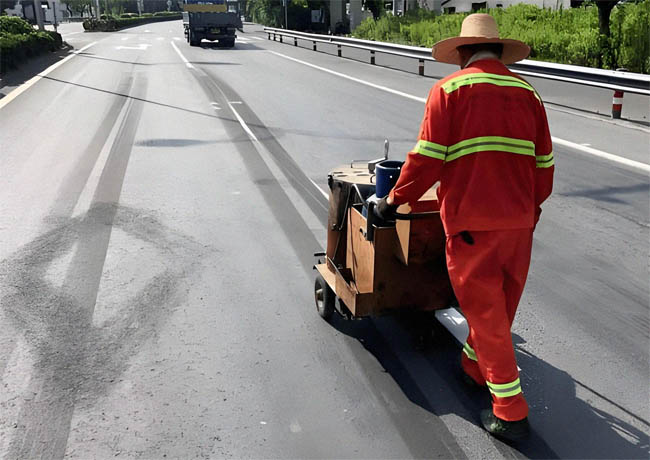
How Do You Remove Old Road Marking Paint?
Removing old road marking paints is a critical task for road maintenance crews, airport runway managers, and parking lot operators. Unlike ordinary paint, road markings are designed to withstand heavy traffic, UV exposure, and harsh weather conditions. This makes removing old markings technically challenging. Using the wrong method can damage the pavement or leave ghosting.…
-
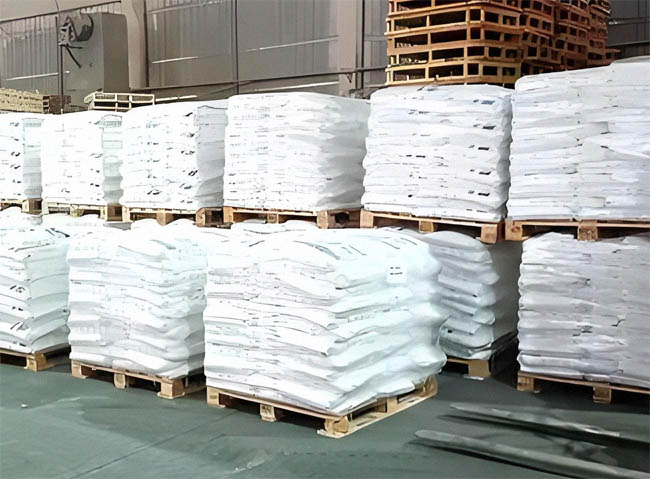
How Long Is the Storage Life of Thermoplastic Road Marking Paint?
The shelf life of thermoplastic road marking paint is typically 12 months, provided it remains unopened and is stored in a cool, dry, and well-ventilated environment.
-
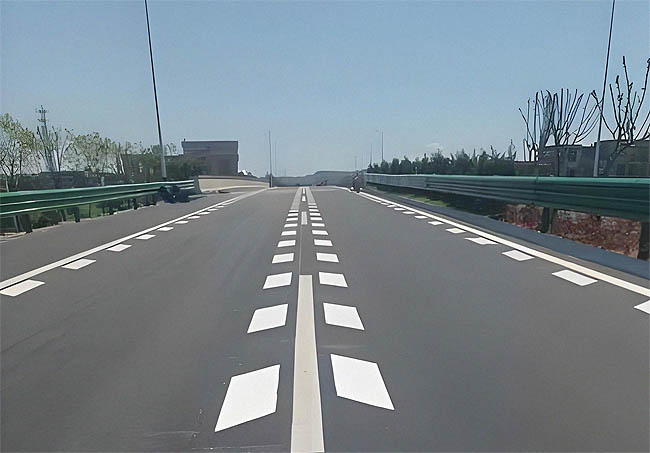
How Road Marking Machines Mark Lines in Different Widths
Road marking machines can adjust line widths according to construction needs, typically ranging from 5 cm to 50 cm. Different types of road marking machines—including thermoplastic, cold paint, and two-component systems—employ distinct adjustment methods to achieve precise markings on highways, parking lots, and urban roads.
-
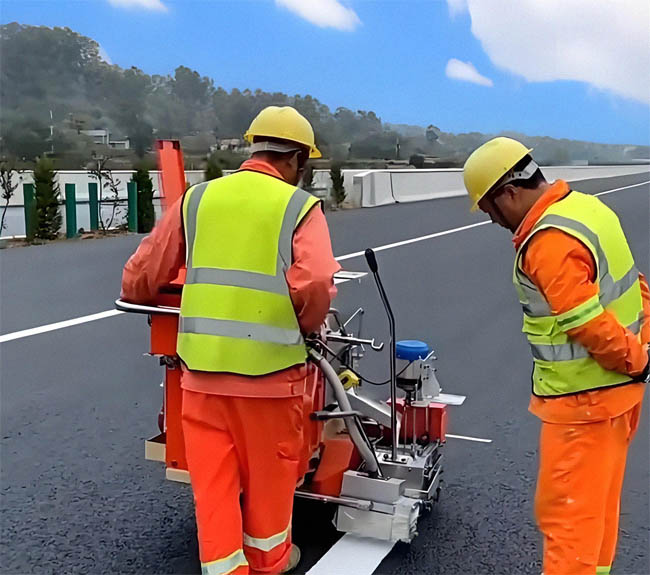
How to Apply Thermoplastic Road Markings: Complete Construction Guide
Proper thermoplastic road marking construction is essential for safety, durability, and visibility. This guide details the complete process, required equipment, and best practices for efficiently applying thermoplastic road marking paint.
-
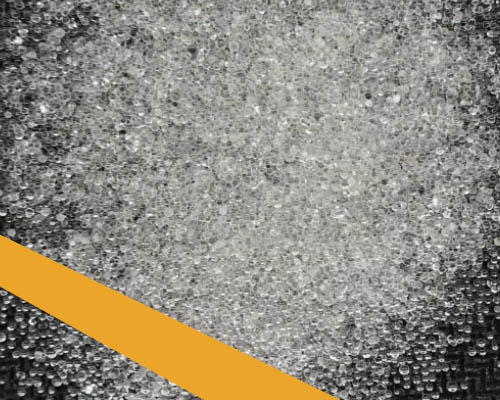
Application Methods of Glass Beads in Road Marking Systems
Reflective glass beads used in road markings are primarily categorized into three types based on their application method: broadcast, premixed, and blended. Proper selection and application ensure excellent retroreflectivity, durability, and road safety.
-
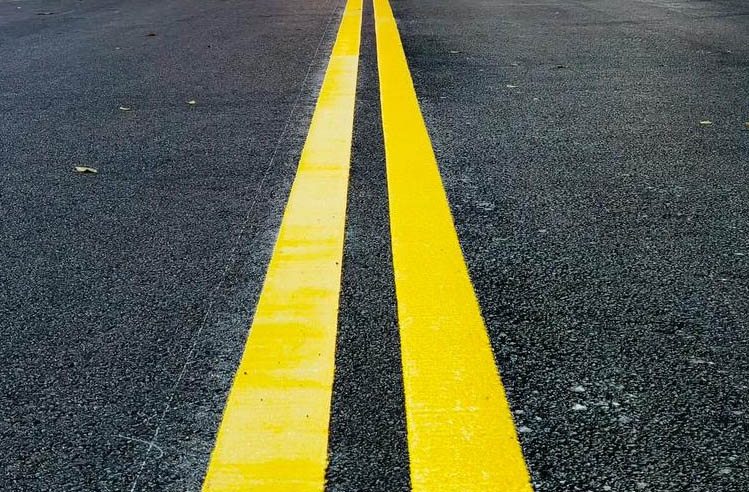
Maximizing Road Marking Reflectivity
Key factors affecting the retroreflective performance of road markings range from glass bead quality and road marking machine application to environmental wear. Learn how to ensure road safety by using durable, high-performance line marking.
-
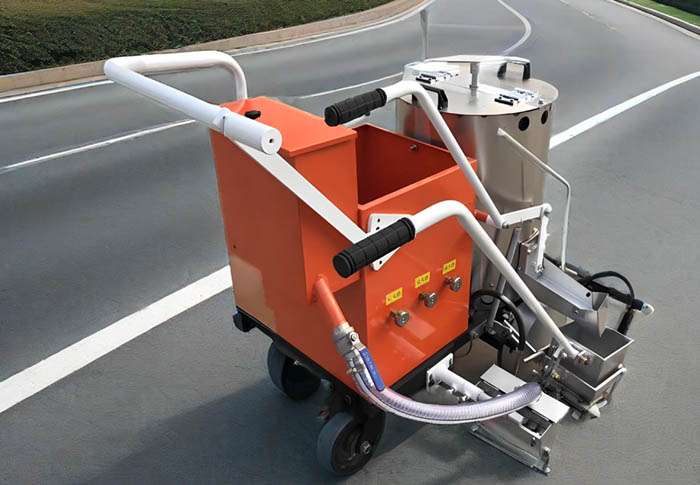
Key Differences Between Hand-Push and Self-Propelled Road Marking Machines
Among various types of road marking machines, hand-push and self-propelled models are the two most widely used categories. Beyond their power sources, are there other differences between them?
-
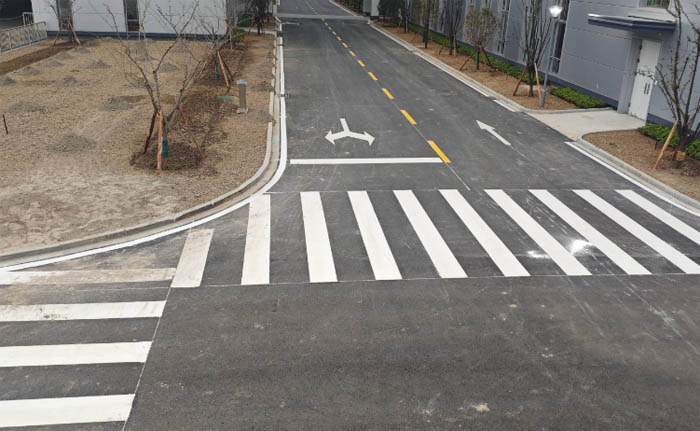
The Essential Guide to Factory Area Line Marking
Proper road markings are a critical measure for ensuring safe traffic order within factory premises. Scientific construction processes, standardized design principles, and regular maintenance collectively ensure clear and durable markings, thereby enhancing safety and production efficiency.
-
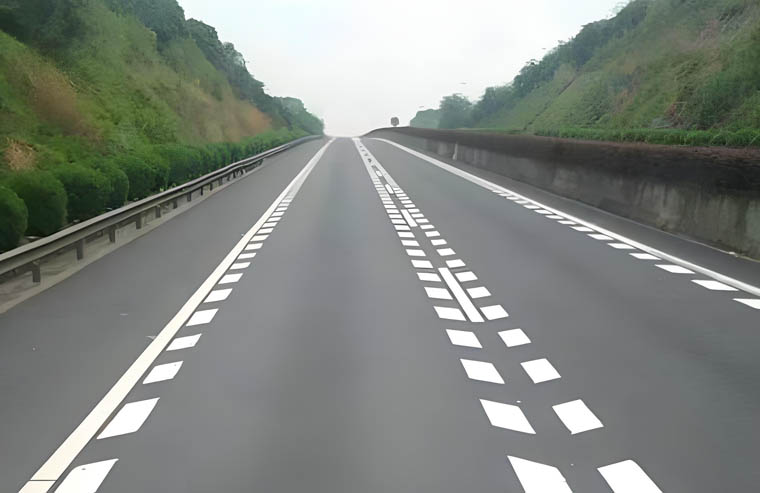
How Does Low Pavement Temperature Affect Thermoplastic Road Marking Paint?
The impact of low-temperature pavement on thermoplastic road marking paint is critical for high-quality road marking projects. Low-temperature pavement accelerates cooling, leading to cracking, reduced adhesion, and diminished reflectivity, ultimately shortening the service life of road markings.
-
Requirements and Characteristics of Airport Glass Beads
Understand the key differences between high-performance airport glass beads and standard road reflective glass beads, and learn how to select the appropriate glass beads for runway safety and road marking applications.
-
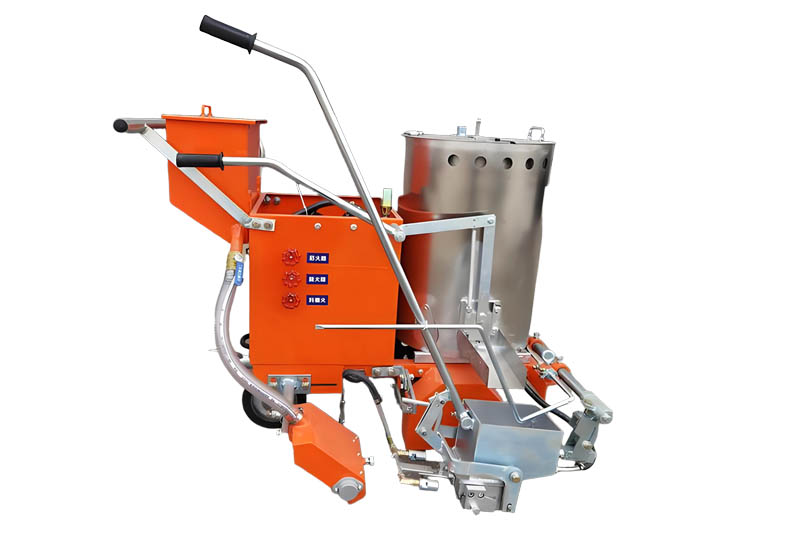
How to Choose Among the 6 Mainstream Models of Thermoplastic Road Marking Machines
We will detail the six most common types of thermoplastic road marking machines, evaluating which model best suits locations like parking lots, highways, and airports based on durability, reflectivity, efficiency, and cost. Make an informed choice for your road marking project.
-
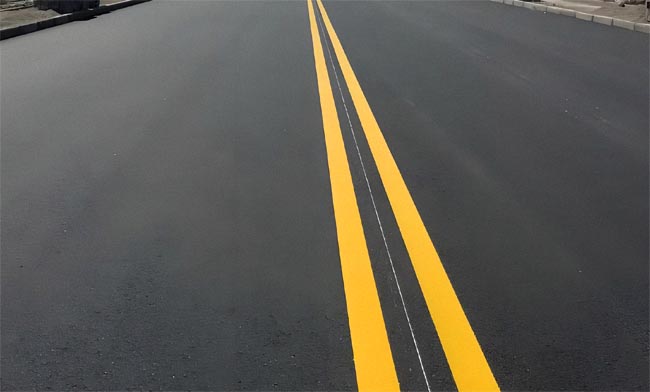
Thermoplastic Road Marking Lifespan: How Long Does It Last & How to Extend It
Under normal conditions, thermoplastic road markings can last 3 to 5 years or even longer. However, their lifespan is influenced by various factors, including traffic volume, weather conditions, pavement quality, and construction quality.
-
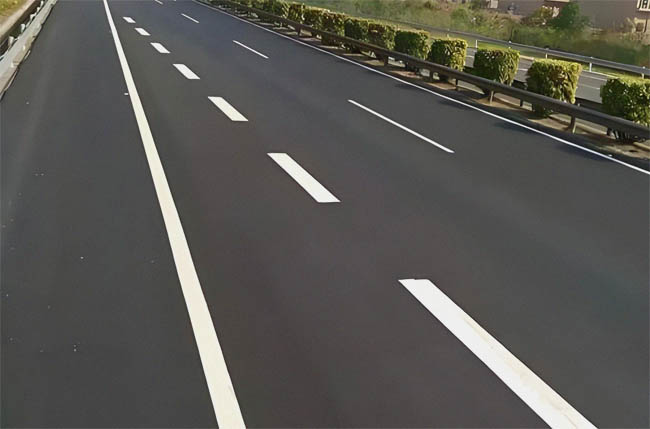
Why White Road Marking Paint Turns Yellow After Application
Yellowing of white road marking paint is a multifaceted issue influenced by material quality, application methods, and environmental factors. Selecting high-quality thermoplastic road marking paint and utilizing precision road marking equipment can effectively prevent yellowing. Understanding its causes aids in choosing superior products and improving road marking application techniques.
-

How to Improve the Visibility of Vibrating Road Markings in Rainy and Night Conditions
To ensure vibrating road markings remain clearly visible during rainy nights and adverse weather conditions, optimizing materials, structural design, construction techniques, and long-term maintenance is crucial. This article provides a comprehensive technical guide aimed at enhancing the performance and durability of vibrating road markings.
-
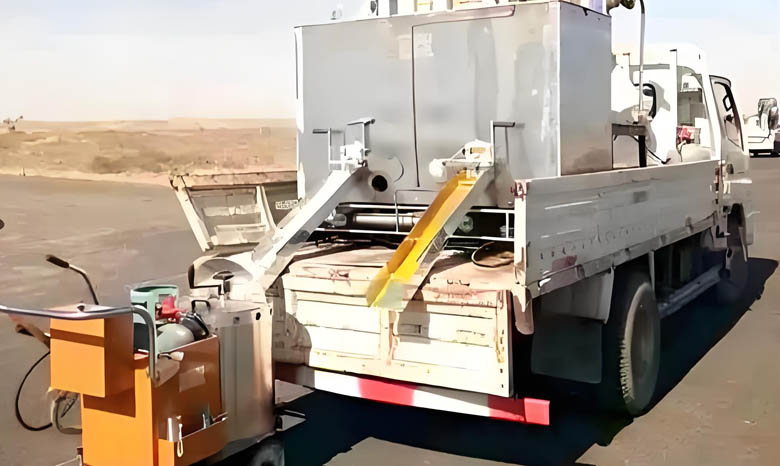
How to Choose the Right Thermoplastic Melting Kettle
Selecting the appropriate thermoplastic melting kettle requires comprehensive consideration of factors such as the construction scenario, project scale, fuel efficiency, and equipment characteristics to ensure both marking quality and construction efficiency.
-
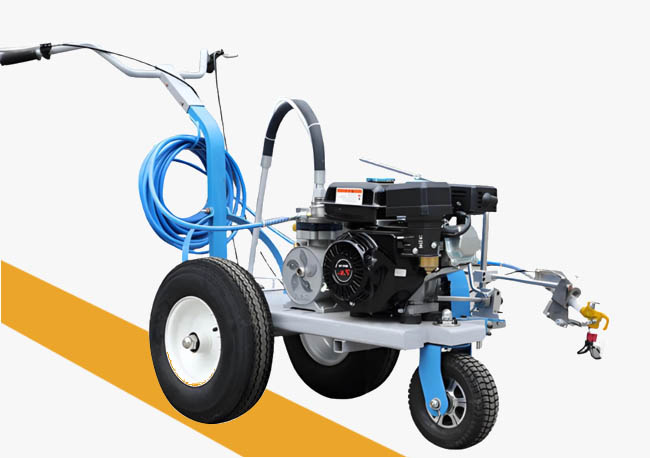
Causes and Solutions for Unstable Pressure in Road Marking Machines
Understand the causes of unstable pressure in road marking machines. Learn about hydraulic system failures, paint supply issues, mechanical wear, and their solutions to ensure your road marking equipment operates smoothly.
-
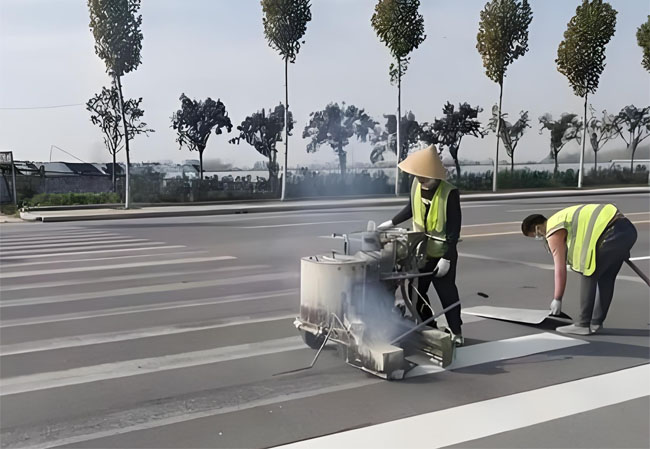
Key Considerations for Thermoplastic Road Marking Construction
The quality and service life of thermoplastic road markings depend on precise material formulation ratios, accurate equipment operation, thorough surface preparation, and strict adherence to environmental and safety standards. Proper application specifications ensure the durability, high reflectivity, and long lifespan of road markings.
-

How the white lines are drawn on a football field?
White lines on football fields are achieved through the use of professional turf delineators and specialized football field line painting paints. These line painting paints have multiple advantages such as bright color, durability, anti-skid and wear-resistant, which can meet the requirements of the game for the quality and aesthetics of the lines.
Hot Shelling High Efficiency Road Marking Machine
info@roadpaintingmachine.com

News